
Sheikh Safi al-din Shrine in Ardabil: A Masterpiece of Sufi Spirituality and Persian Architecture
Discover one of Iran’s most extraordinary spiritual and architectural treasures: the Sheikh Safi al-din Khānegāh and Shrine Ensemble in Ardabil.
In northwestern Iran, a remarkable historic complex brings together spirituality, Persian art, architecture, and the story of one of the most influential dynasties in Iranian history.
The Sheikh Safi al-din Khānegāh and Shrine Ensemble is more than a shrine. It is a historic center of Sufism, a masterpiece of Islamic architecture, and a place closely connected to the rise of the Safavid dynasty.
Inscribed on the UNESCO World Heritage List in 2010, the complex reflects centuries of religious devotion, artistic achievement, and cultural development. Its domed mausoleums, intricate tilework, carved details, historic halls, and carefully designed spaces offer visitors a deeper understanding of Iran’s spiritual and architectural heritage.
For travelers interested in Persian history, Islamic art, Sufism, and cultural exploration, Ardabil offers an experience that deserves a place on an Iran travel itinerary.
Why Is the Sheikh Safi al-din Ensemble a UNESCO World Heritage Site?
UNESCO inscribed the complex in 2010, recognizing its outstanding architectural, artistic, and cultural significance.
The site meets three cultural criteria:
Criterion (i): Human creative genius
The ensemble’s overall design, the proportions of its spaces, and its refined decoration create an exceptional architectural composition. The sequence leading toward the shrine brings aesthetics and spirituality into a carefully designed relationship.
Criterion (ii): Cultural exchange
The complex combines architectural influences associated with the Ilkhanid and Timurid periods with the spiritual principles of Sufism. This interaction produced new spatial arrangements and decorative forms.
Criterion (iv): An outstanding architectural ensemble
The property is an important example of a religious complex that combined spiritual, social, charitable, cultural, and educational functions. Its design became a reference for other khānegāhs and shrines.
Together, these criteria demonstrate that the ensemble is significant not only for its beauty but also for its role in the development of religious architecture and cultural history.
Who Was Sheikh Safi al-din Ardabili?
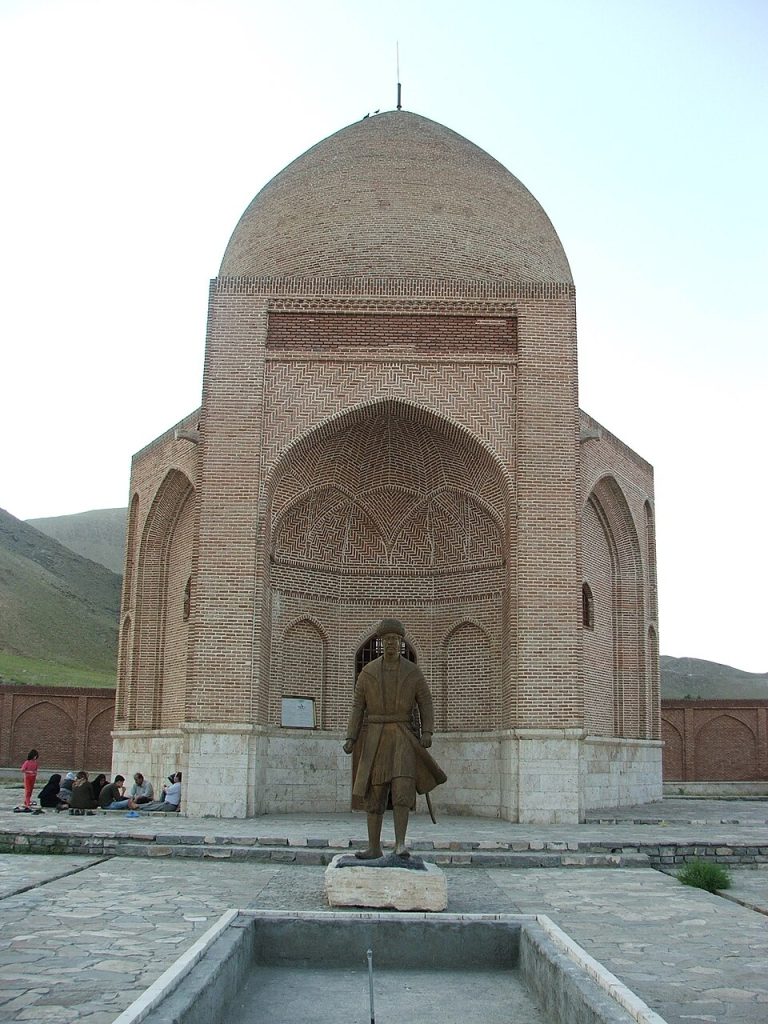
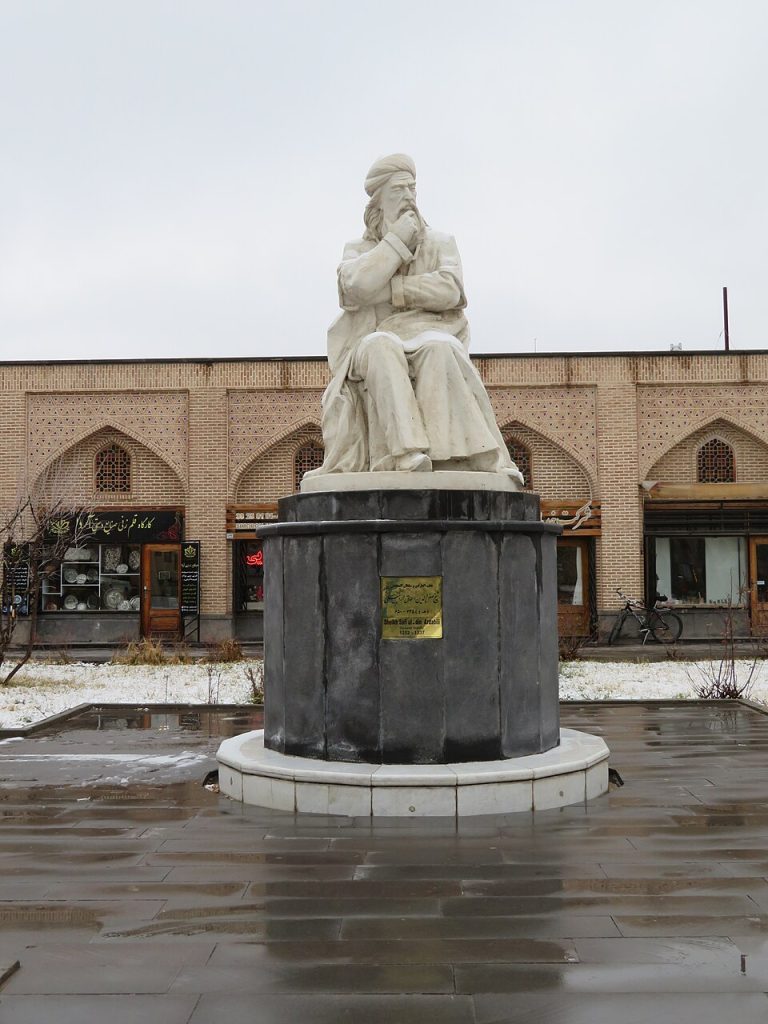
Sheikh Safi al-din Ardabili was a prominent Sufi master who lived from approximately 1252 to 1334. He established a spiritual tradition that became known as the Safaviyya order.
His teachings and religious influence attracted followers, and Ardabil became an important center for his spiritual community.
After his death, his tomb became a place of devotion and pilgrimage. Over subsequent centuries, the complex expanded as followers and rulers added buildings, decorative features, and new spaces.
The shrine eventually became closely associated with the Safavid dynasty, which took its name from Sheikh Safi al-din.
The Safavids rose to power in the early sixteenth century. Under Shah Ismail I, the dynasty established a new political order in Iran and declared Twelver Shiism the state religion.
The shrine of Sheikh Safi al-din consequently acquired religious, political, and cultural significance. It became a symbol of spiritual lineage and dynastic identity.
Today, the complex offers a fascinating opportunity to explore the connections between Sufism, Iranian history, and the development of Safavid culture.
Where Is the Sheikh Safi al-din Shrine Ensemble?
The complex is located in Ardabil, in northwestern Iran, a historic city near the Azerbaijan region and the slopes of Mount Sabalan.
Ardabil has long been associated with religious scholarship, pilgrimage, trade, and regional cultural exchange. Its location helped connect communities across northwestern Iran and the wider Caucasus region.
The shrine ensemble stands within the historic urban fabric of Ardabil. It brings together religious buildings, mausoleums, courtyards, and spaces associated with social and cultural life.
Unlike a monument designed for only one purpose, this complex developed as a multifunctional center. Its buildings served spiritual, educational, charitable, and practical needs.
This combination makes it especially valuable for understanding how historic religious institutions operated within Iranian society.
A Journey Through the Architecture
The Sheikh Safi al-din complex is celebrated for its carefully arranged spaces and richly decorated architecture.
Its development spanned several centuries, with important building phases associated with the Ilkhanid, Timurid, and Safavid periods. These influences came together in a distinctive architectural ensemble.
1. The Shrine of Sheikh Safi al-din
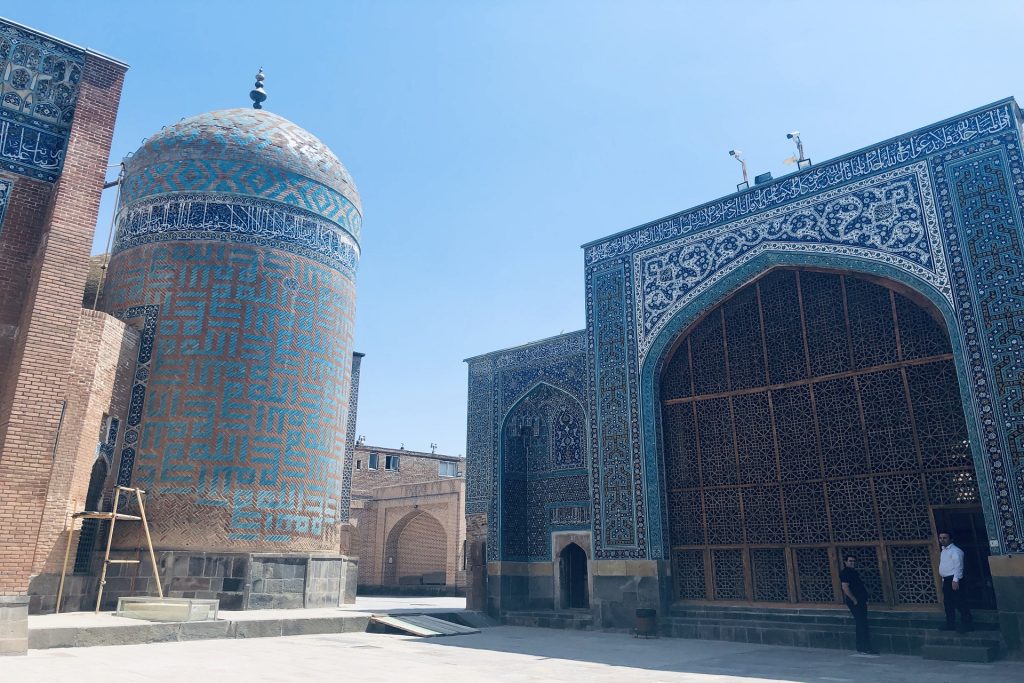
The shrine of Sheikh Safi al-din forms the spiritual heart of the complex.
Its importance extends beyond its function as a tomb. The building and its surroundings express the relationship between architecture and spiritual meaning.
The arrangement of spaces guides visitors toward the shrine, creating a sense of progression through the complex. This sequence is one of the features UNESCO identifies as central to the property’s outstanding value.
For travelers, the shrine provides an opportunity to reflect on the role of pilgrimage, remembrance, and spiritual tradition in Iranian history.
As this remains a sacred site, visitors should follow local guidance and respect the religious practices of those who come to worship.
2. Allah Allah Dome
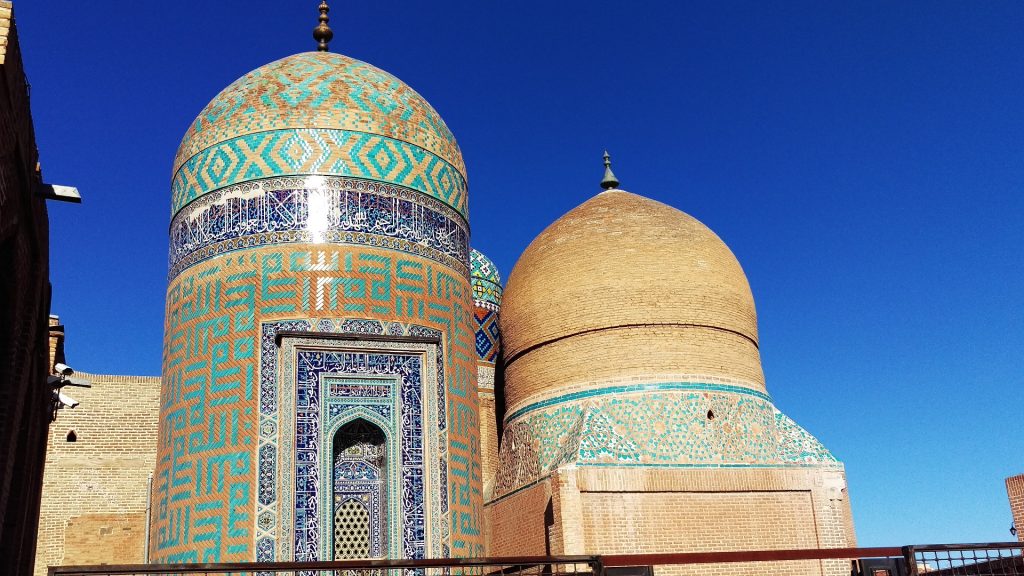
One of the complex’s most recognizable features is the Allah Allah Dome, associated with the tomb of Sheikh Safi al-din.
Its name refers to the repeated word “Allah,” reflecting the spiritual associations of the site.
The domed structure contributes to the distinctive silhouette of the ensemble. Its decorative treatment and architectural form illustrate how religious meaning could be expressed through the design of a building.
The dome is an important highlight for visitors interested in historic Iranian architecture and the relationship between sacred spaces and artistic expression.
3. Chini Khaneh: The House of Porcelain
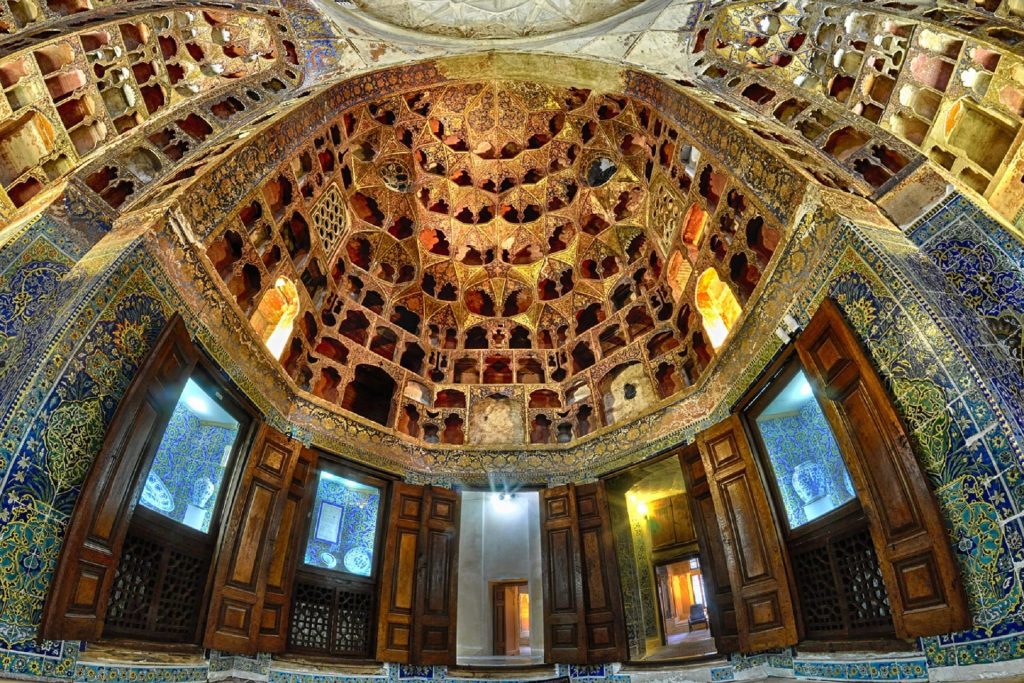
The Chini Khaneh, often translated as the House of Porcelain, is among the best-known spaces within the complex.
It is associated with the display and storage of valuable objects, including ceramics and other decorative works. Its architecture and ornamental details demonstrate the importance of artistic patronage within the Safavid world.
The space also reflects the wider cultural connections that shaped Iranian courtly life. Fine ceramics and luxury objects moved through networks of trade, diplomacy, and artistic exchange.
For visitors, the Chini Khaneh adds another dimension to the site’s story: the complex was not only a place of spiritual retreat but also a repository of artistic and material heritage.
Access to individual rooms and objects can vary, so check current visitor arrangements before your visit.
4. Dar al-Huffaz Hall
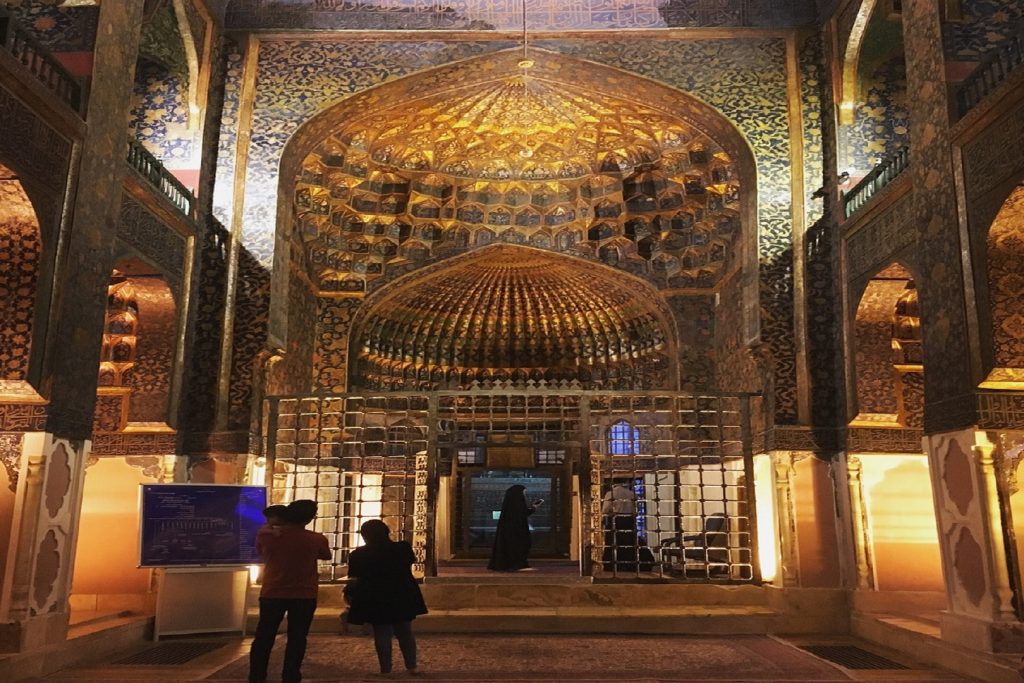
Dar al-Huffaz, a hall associated with Quran recitation, is another important architectural feature of the ensemble.
Its role reflects the significance of religious recitation and devotional practice within the complex.
The hall forms part of the carefully arranged sequence of spaces leading through the ensemble. Its position helps illustrate how the layout connected different forms of spiritual activity.
Together with the shrine and other buildings, it contributes to the complex’s distinctive architectural and religious character.
5. Jannat Sara
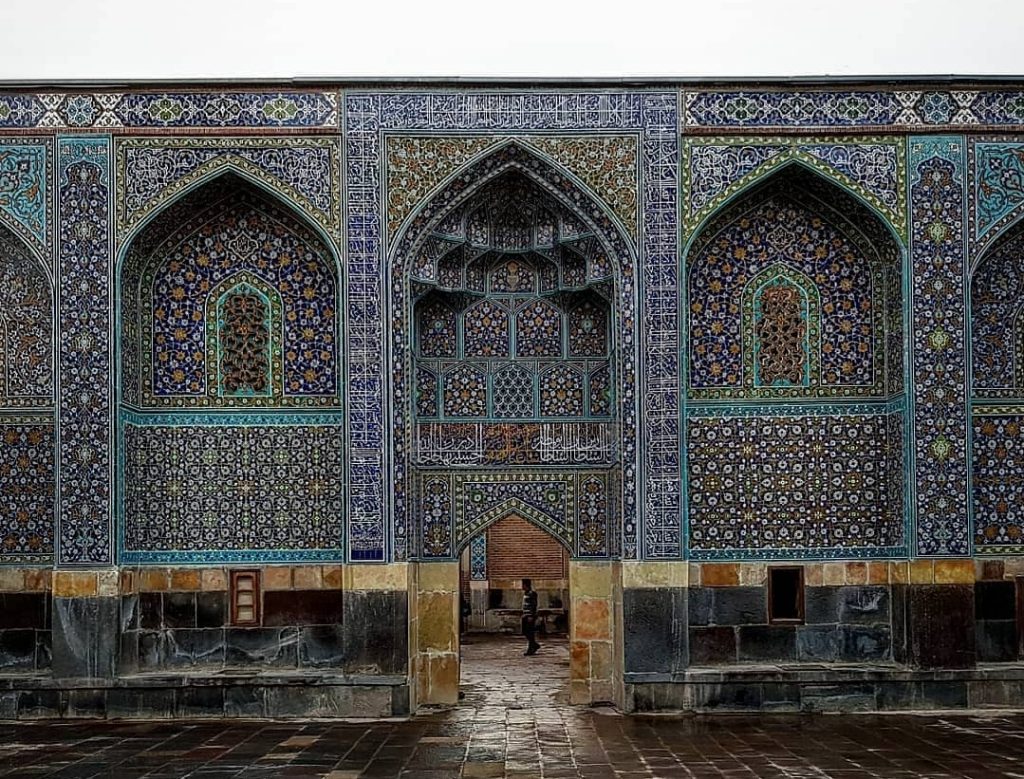
Jannat Sara is a major structure within the shrine ensemble, associated with the complex’s wider religious and communal functions.
Its place within the architectural plan illustrates the variety of activities accommodated at the site.
The ensemble was designed to support a community, not simply to preserve a tomb. Spaces for gathering, religious observance, learning, and service formed part of its wider purpose.
Jannat Sara therefore helps visitors understand the complex as an integrated institution.
6. Courtyards, Gates, and Connecting Spaces
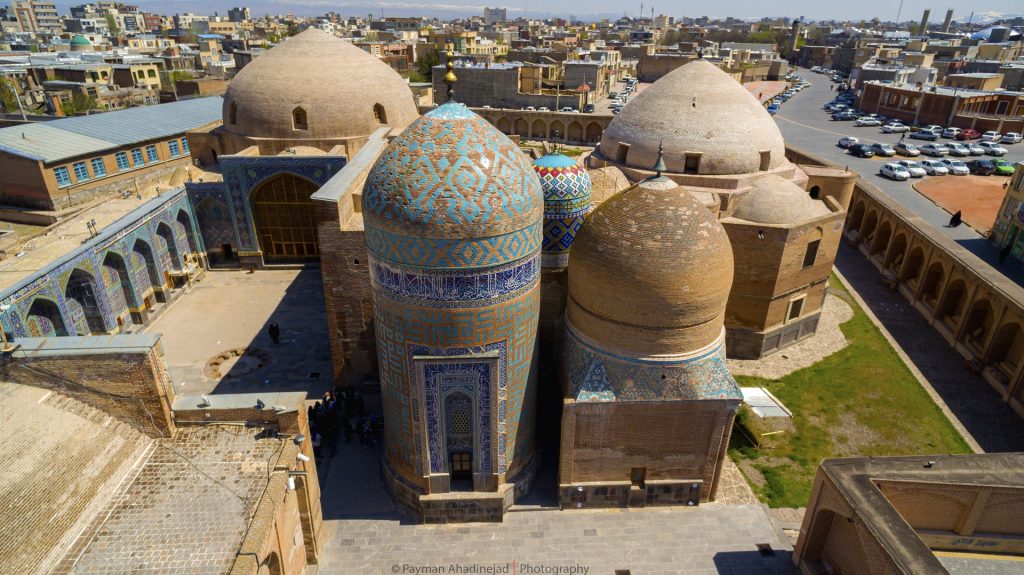
Courtyards and connecting spaces play an essential role in the experience of the shrine ensemble.
They link individual buildings while creating transitions between open and enclosed areas. This arrangement shapes the visitor’s movement and establishes a sense of progression through the complex.
UNESCO highlights a route to the shrine divided into seven segments and separated by eight gates. These features are interpreted as reflecting stages of Sufi mysticism and attitudes associated with Sufi teaching.
This symbolic arrangement makes the site’s architecture particularly meaningful. The path is not merely a practical route between buildings; it also expresses spiritual ideas through spatial design.
The Symbolism of Sufism in Architecture
Sufism is a diverse tradition within Islam that emphasizes spiritual development, devotion, and the pursuit of a deeper understanding of the divine.
The Sheikh Safi al-din ensemble is an outstanding example of how Sufi ideas shaped the design of a religious complex.
The sequence of spaces, the relationship between courtyards and buildings, and the ornamentation all contribute to the site’s spiritual character.
UNESCO recognizes the harmony between aesthetics and spirituality as a central feature of the ensemble.
The architecture also demonstrates the integration of artistic traditions associated with the Ilkhanid and Timurid periods. These influences were combined with the spiritual message of Sufism to create distinctive architectural forms and decorative patterns.
Visitors do not need specialist knowledge of Sufism to appreciate the complex. However, learning a little about its traditions can make the visit more rewarding.
It helps explain why the design, sequence, and decoration of the buildings matter as much as their individual architectural features.
From Sufi Shrine to Safavid Heritage
The history of the complex is closely linked to the rise of the Safavid dynasty.
Sheikh Safi al-din’s spiritual lineage became an important source of authority for the Safavids. When Shah Ismail I established Safavid rule in the early sixteenth century, the shrine acquired a heightened political and national significance.
Safavid rulers supported the development and embellishment of the ensemble. Over time, the complex became a major repository of sacred art and architecture.
Its buildings and decorative elements reflect successive periods of patronage and change. They also illustrate how rulers used religious institutions to express legitimacy, preserve dynastic memory, and strengthen cultural identity.
This history makes the site valuable for understanding both religious life and political development in Iran.
The shrine is therefore not only a monument to a Sufi master. It is also a place where the spiritual roots and historical legacy of the Safavid dynasty can be explored.
Visiting Ardabil: A Travel Guide
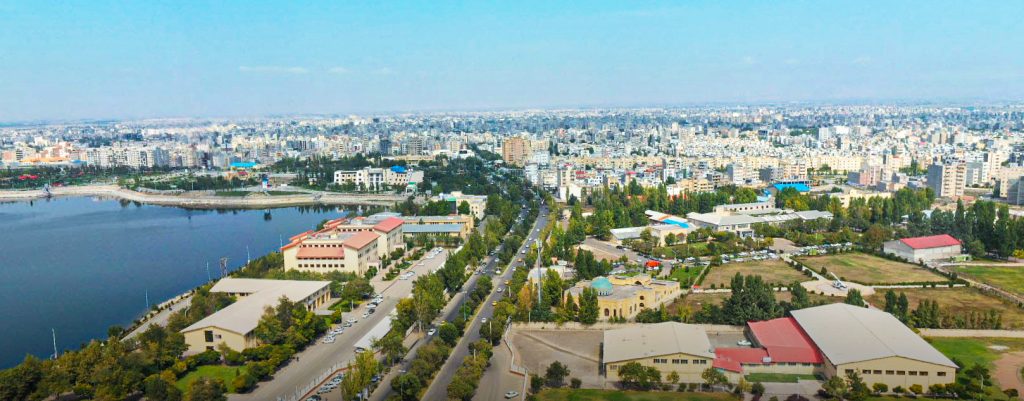
Where is Ardabil?
Ardabil is in northwestern Iran, near the border region with the Republic of Azerbaijan and close to Mount Sabalan.
The city is known for its historical monuments, regional culture, traditional food, and access to mountain and rural landscapes.
The shrine ensemble is located in the city, making it possible to combine the visit with other local experiences.
How can you reach Ardabil?
Travelers can plan an itinerary to Ardabil from Tehran or other major Iranian cities using available domestic transport connections and road travel.
The most suitable option depends on travel dates, schedules, and the wider route. A private transfer can provide additional flexibility for visitors who want to explore the surrounding region.
Check current transport arrangements and local conditions before departure.
When is the best time to visit?
Ardabil has a cooler climate than many destinations in central and southern Iran, with cold winters and generally mild summers.
Late spring and summer can be attractive for travelers who prefer milder temperatures and want to explore the wider region. Early autumn may also be pleasant, depending on the weather.
If you plan to visit during winter, prepare for low temperatures and possible snow.
How much time should you allow?
Allow a few hours to appreciate the architecture and history of the shrine ensemble without rushing.
A longer stay in Ardabil makes it possible to explore the city’s other heritage attractions and discover the surrounding landscapes.
What else can you explore around Ardabil?
Depending on your interests and available time, consider combining the shrine with:
- Mount Sabalan: A striking volcanic mountain landscape associated with the region.
- Sareyn: A nearby destination known for its hot springs.
- Ardabil’s historic urban areas: Places to explore local architecture, markets, and daily life.
- Regional villages and landscapes: Opportunities to learn about local traditions, crafts, and rural culture.
Travel times and seasonal accessibility vary, especially in mountainous areas. Plan your route around current conditions.
Responsible Travel at a Sacred Heritage Site
The Sheikh Safi al-din ensemble is both a UNESCO World Heritage Site and a place of religious significance.
Responsible tourism helps protect its architecture, preserve its cultural meaning, and respect the people who continue to value it as a sacred place.
When visiting:
- Dress respectfully and follow any local dress requirements.
- Observe rules regarding photography, particularly inside sacred spaces.
- Keep noise to a minimum in areas used for prayer or reflection.
- Do not touch fragile decorative surfaces or historic objects.
- Follow visitor routes and staff guidance.
- Avoid littering and respect the historic environment.
- Consider using a knowledgeable local guide to understand the site’s history and symbolism.
- Support local businesses and responsible tourism services in Ardabil.
A meaningful visit involves more than admiring the architecture. It also means recognizing the living traditions and communities connected to the place.
Sheikh Safi al-din: Where Spirituality Meets Persian Art
The Sheikh Safi al-din Khānegāh and Shrine Ensemble is one of Iran’s most compelling cultural treasures.
Its architecture reveals the creativity of generations of builders and artists. Its spiritual history reflects the influence of Sufism. Its connection to the Safavid dynasty opens a window onto a defining period in Iranian history.
Every courtyard, dome, decorated hall, and connecting passage contributes to a story that spans centuries.
Don’t just read about Iran’s cultural heritage — come and experience it.
Explore the extraordinary shrine ensemble in Ardabil, discover the stories behind its architecture, and experience the rich traditions of northwestern Iran.
Experience Ardabil with PGTG
At Persian Gryphon Travel Group (PGTG), we believe that travel becomes more meaningful when visitors connect with the stories behind the places they explore.
The Sheikh Safi al-din Shrine Ensemble offers an opportunity to discover a side of Iran that goes beyond familiar images of ancient empires and monumental ruins.
Here, architecture expresses spiritual ideas. Historic spaces reveal the influence of a Sufi master. Decorative arts reflect centuries of craftsmanship. And the story of a shrine opens a window onto the rise of the Safavid dynasty.
PGTG can help you include Ardabil in a tailor-made cultural journey that combines heritage, local experiences, and the landscapes of northwestern Iran.
Our approach emphasizes sustainable, responsible, and experience-oriented tourism, with respect for local communities and the places that make each destination unique.
Travel with PGTG — where we learn together, experience more, and give meaning to every journey.
Contact Persian Gryphon Travel Group to plan your journey to Iran.
Leave a Reply