
Shushtar Historical Hydraulic System: Iran’s Ancient Masterpiece of Water Engineering
Imagine a time when engineers redirected a powerful river, carved channels through rock, built monumental dams, and used flowing water to power mills and irrigate fertile land. In southwestern Iran, this extraordinary achievement is still visible today.
Welcome to the Shushtar Historical Hydraulic System, a UNESCO World Heritage Site that reveals the ingenuity of ancient Iranian engineering. More than a collection of old dams and canals, it represents a sophisticated system designed to support agriculture, urban life, industry, transportation, and defense.
Located in Khuzestan Province, Shushtar offers travelers a fascinating perspective on Iran’s heritage beyond its famous palaces, mosques, and archaeological cities. Here, water tells the story of how generations of people adapted to their environment and transformed the surrounding landscape.
For travelers interested in history, architecture, engineering, and sustainable water management, Shushtar is an unforgettable destination.
A UNESCO World Heritage Site Since 2009
The Shushtar Historical Hydraulic System was inscribed on the UNESCO World Heritage List in 2009. UNESCO recognized its outstanding engineering, its combination of technical traditions, and its exceptional role in shaping human settlement in a challenging environment.
The system, in its present form, dates mainly to the third century CE, although its foundations and earlier water-management traditions reach back much further, possibly to the fifth century BCE.
Its engineering reflects knowledge associated with the ancient Elamites and Mesopotamians, alongside later Nabataean expertise and influences from Roman civil engineering.
UNESCO recognizes the site under three criteria:
- Criterion (i): An exceptional achievement of human creative genius in hydraulic engineering.
- Criterion (ii): A remarkable synthesis of engineering knowledge and techniques developed across different cultures.
- Criterion (v): An outstanding example of traditional water-management techniques that enabled communities to thrive in a challenging landscape.
These qualities make Shushtar more than an archaeological attraction. It is a powerful example of how engineering, environmental knowledge, and community life can develop together.
The History of Shushtar’s Hydraulic System
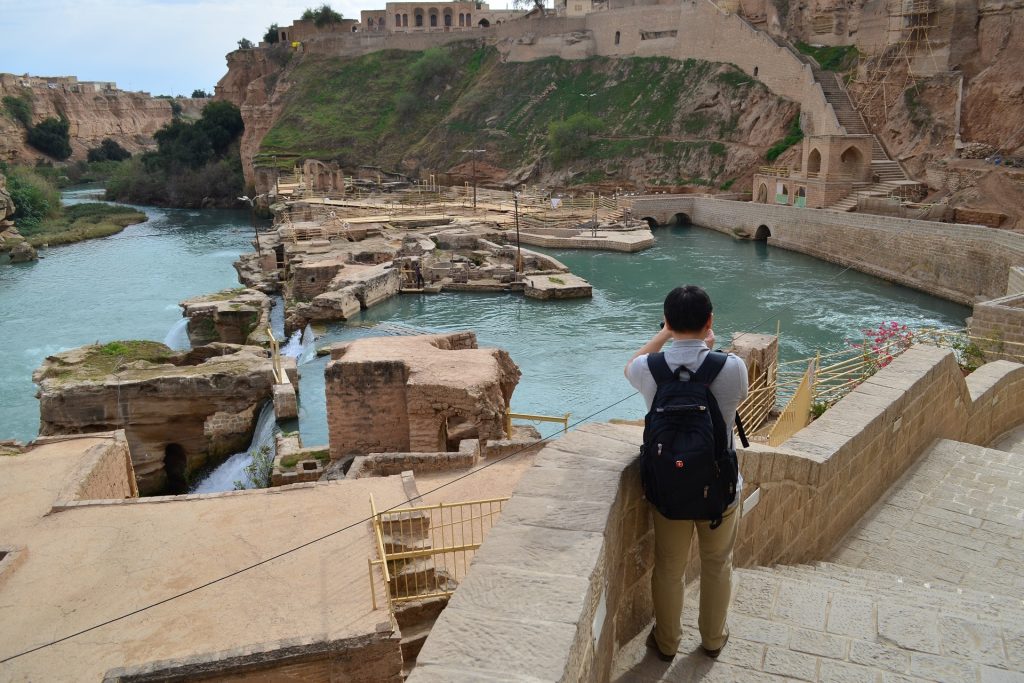
From ancient water knowledge to monumental engineering
The history of Shushtar’s water-management traditions extends across many centuries. The region benefited from the knowledge of early civilizations that understood how to control rivers, distribute water, and support agriculture.
UNESCO traces the system’s origins to the time of Darius the Great in the fifth century BCE. However, its present form reflects major engineering works completed during the third century CE.
During the Sasanian period, Iran developed important urban centers, agricultural landscapes, and monumental infrastructure. Shushtar became an outstanding example of this engineering tradition.
The builders transformed the natural flow of the Karun River into a carefully organized network. They constructed dams and diversion channels, cut passages through rock, and directed water toward mills, settlements, and agricultural land.
Rather than treating water simply as a natural resource, the system used it for several interconnected purposes. Water supported daily life, generated mechanical power, helped irrigate fields, and contributed to the defense of the city.
The role of the Karun River
The Karun is one of Iran’s major rivers and has long shaped settlement and agriculture in southwestern Iran.
At Shushtar, engineers developed a system to regulate and redirect its water. Two major diversion channels, the Gargar and Dariun, formed important parts of this network.
The Gargar Canal became a particularly significant artificial watercourse. Its flow supported the city and powered a series of watermills, while also helping supply water to the fertile plain south of Shushtar.
The system demonstrates how carefully designed infrastructure could transform a river into the foundation of a wider economic landscape.
A system that connected people and nature
The hydraulic network supported more than agriculture. Its canals, dams, bridges, tunnels, and reservoirs contributed to water supply, milling, transportation, and urban defense.
Its importance lay in the relationship between these functions. Each component formed part of a larger system, allowing water to be directed and used across different areas.
The resulting landscape illustrates an enduring principle: effective water management depends on understanding the connections between natural resources, technology, settlements, and the people who rely on them.
The Main Attractions of Shushtar’s Hydraulic System
The World Heritage property includes a remarkable collection of hydraulic structures. Together, they reveal the complexity of the engineering system and the variety of activities it supported.
1. Shushtar’s Historic Waterfalls and Watermills
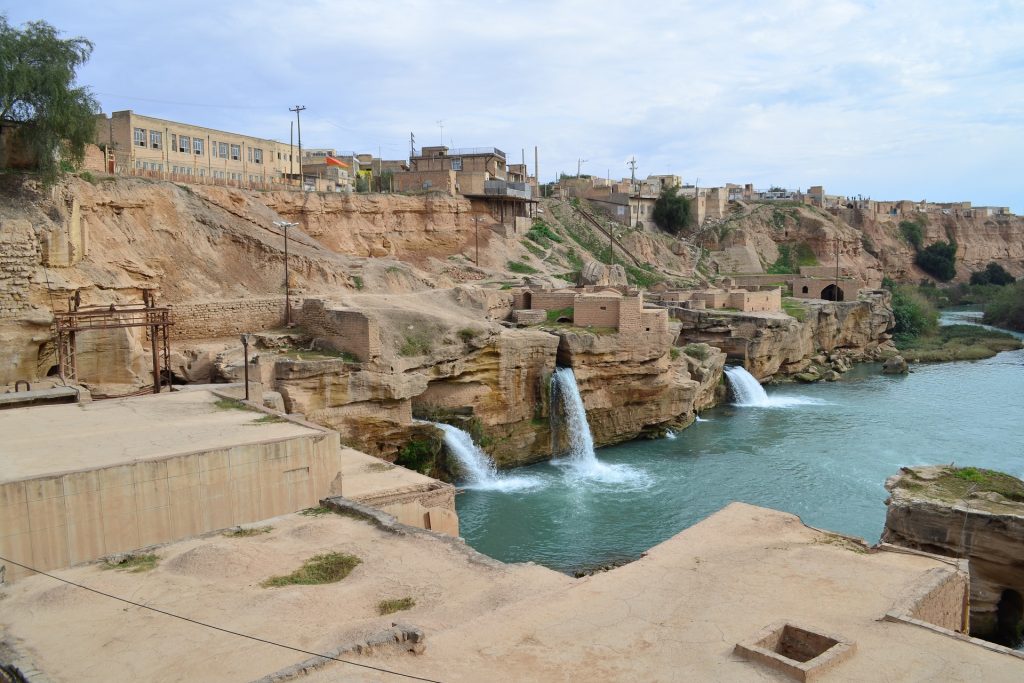
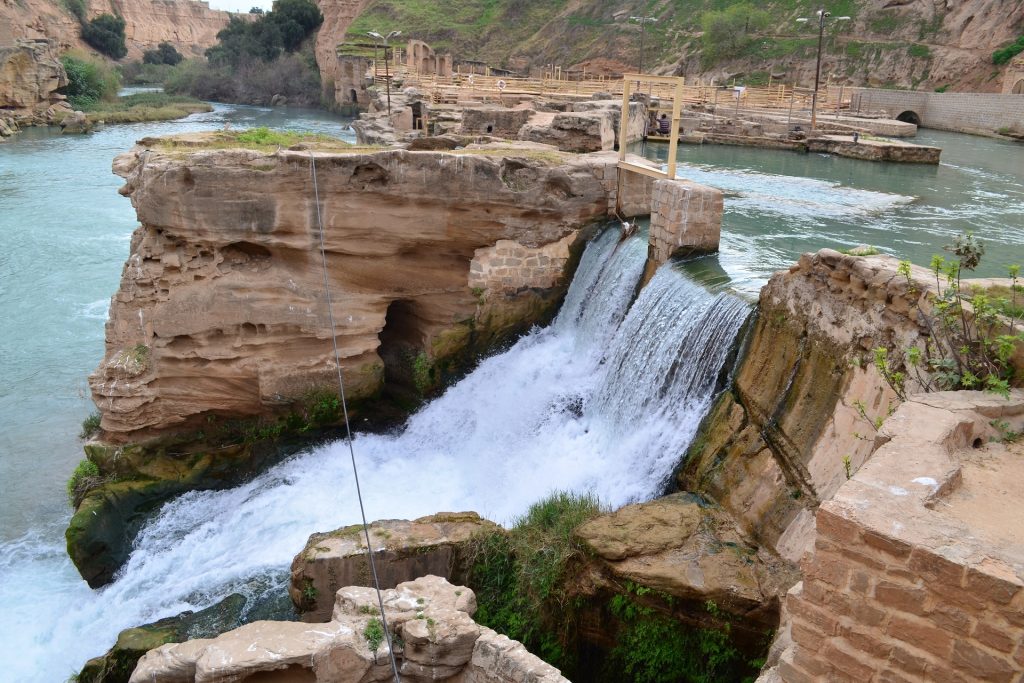
One of the most memorable sights is the cascade of water flowing over the rocky terrain near the historic watermills.
The waterfalls are not simply natural scenery. They are part of an engineered landscape in which channels and tunnels directed water toward mills and other facilities.
The sound of flowing water, the rugged rock formations, and the remains of historic structures create an extraordinary setting for understanding the system’s practical purpose.
These watermills once helped process agricultural products, connecting hydraulic engineering directly with food production and local economic life.
For visitors, this area offers an opportunity to appreciate both the beauty of the landscape and the ingenuity behind its construction.
2. Gargar Canal
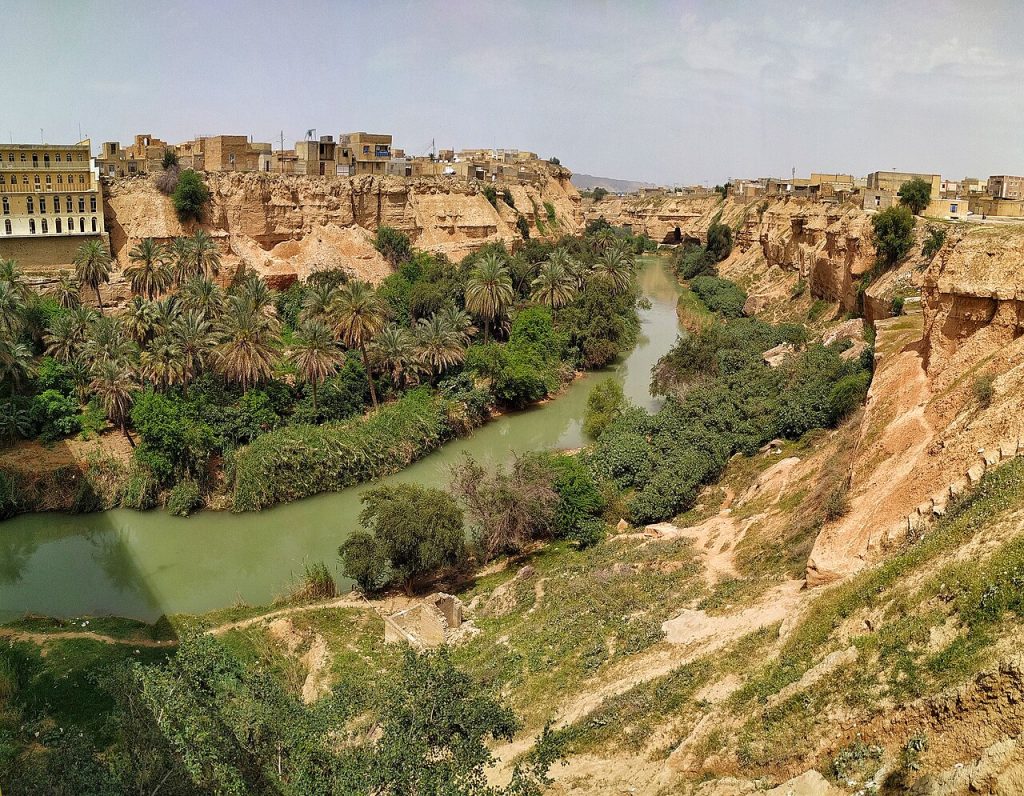
The Gargar Canal is one of the system’s defining features. It diverted water from the Karun River and supplied the hydraulic structures associated with Shushtar.
The canal made it possible to distribute water through a network of tunnels and channels, supporting urban water supply, mills, and irrigation.
Unlike an isolated monument, the Gargar Canal reveals the scale of the original design. It demonstrates how engineers organized water movement across the landscape to meet multiple needs.
UNESCO notes that the canal remains in use, providing a remarkable connection between historical engineering and the continuing life of the city.
3. Band-e Mizan
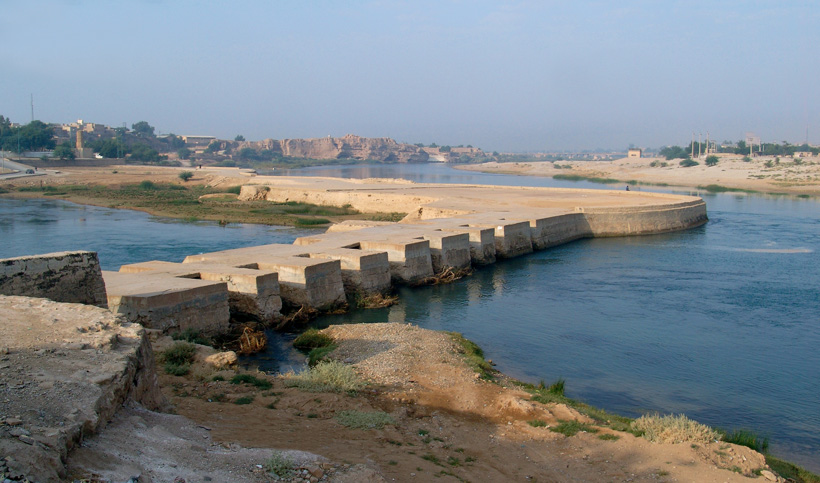
Band-e Mizan is a major water-regulation structure associated with the division and control of river flow.
Its importance becomes clearer when viewed as part of the entire hydraulic network. By regulating water and directing it toward different channels, structures of this kind helped maintain the system’s operation.
Band-e Mizan illustrates the careful planning required to manage a powerful river. It also highlights the relationship between engineering design and the agricultural development of the surrounding region.
4. Shadorvan Grand Weir and Bridge-Dam
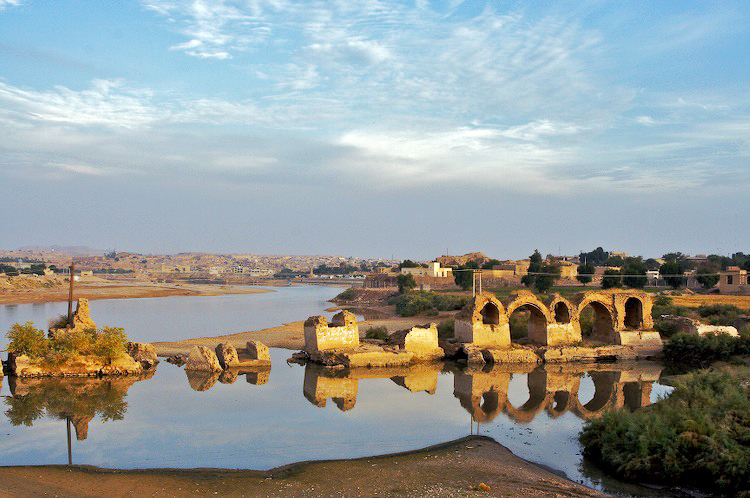
The Shadorvan Grand Weir, also known as the Shadorvan bridge-dam, is among the historic structures associated with Shushtar’s hydraulic landscape.
A bridge-dam combines two important functions: managing water levels and providing a crossing. Such structures demonstrate how ancient engineers integrated transportation and water control into a single infrastructure system.
UNESCO highlights the Shadorvan structure as a particularly significant component of the historic network.
Although the remains have changed over time, they help visitors imagine the scale of the engineering works that once shaped the river and the city.
5. Salasel Castle
Salasel Castle was an important operational center for the hydraulic system. Its role extended beyond that of a conventional fortress.
The castle was associated with the management and control of water infrastructure and also contributed to the defense of Shushtar.
Its location and historical functions illustrate how water management, political authority, and urban security could be closely connected.
The castle also helps visitors understand that the hydraulic system was not merely a technical achievement. It formed part of a wider social and administrative structure.
6. Water-Level Measurement Structures
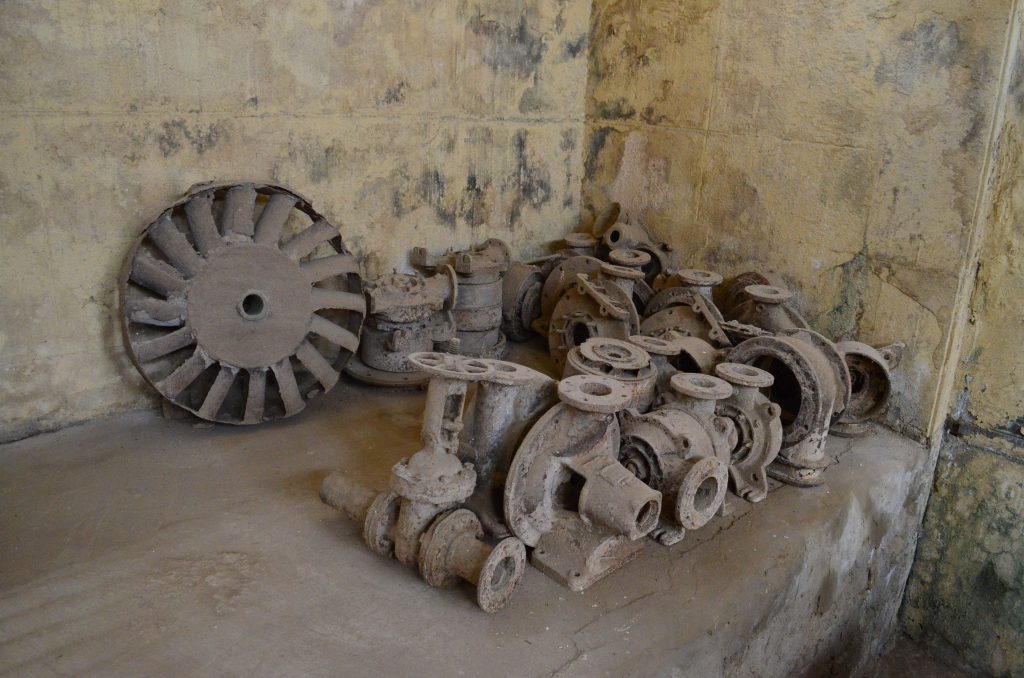
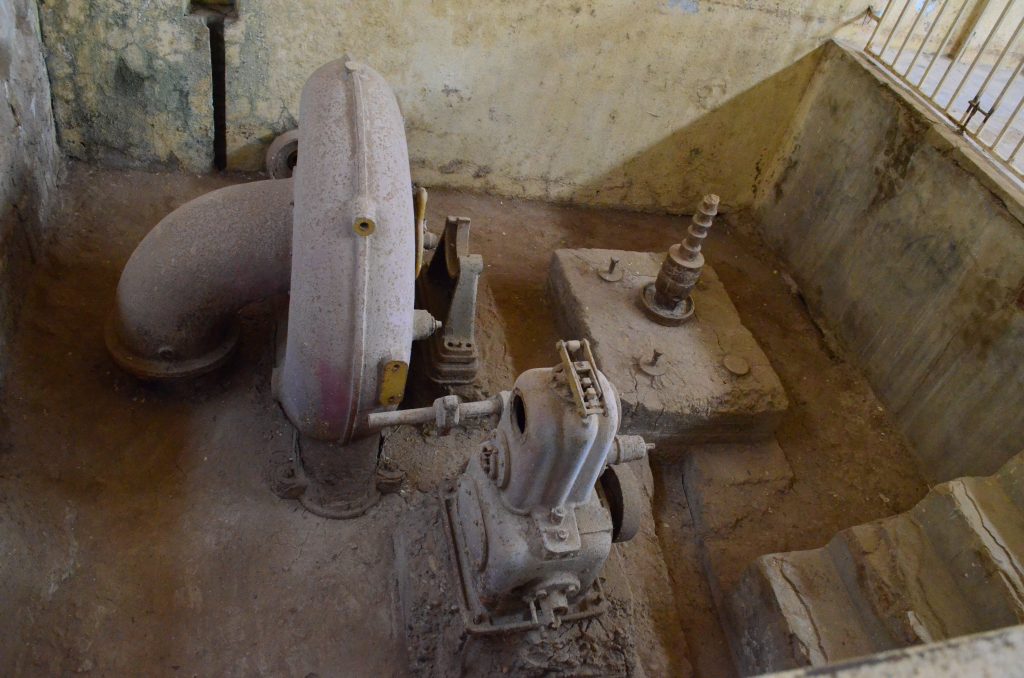
Monitoring water levels was essential to the operation of such a complex network.
The property includes a historic tower associated with measuring water levels, alongside dams, bridges, basins, and other hydraulic structures.
These features demonstrate the importance of observation and regulation in traditional water management. Engineers needed to understand changes in river conditions to distribute water and maintain the system’s functions.
Together, these structures reveal a sophisticated approach to managing a dynamic natural resource.
Mianab: The Fertile Landscape Created by Water
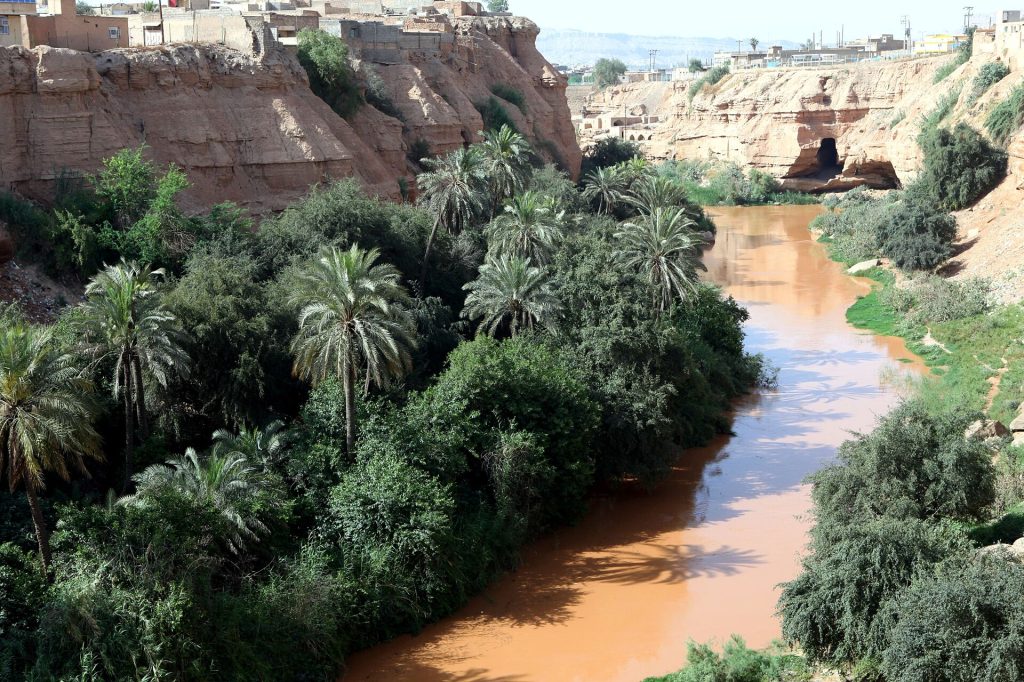
The story of Shushtar extends beyond its monumental structures.
South of the city lies Mianab, a fertile plain historically supported by the hydraulic system. Its name is often translated as “between the waters,” reflecting the landscape’s relationship with the surrounding waterways.
UNESCO describes how the system helped enable orchards and agricultural production across an extensive area of approximately 40,000 hectares.
The contrast between the river, engineered channels, agricultural land, and settlements illustrates the wider significance of the project.
Water infrastructure did not exist in isolation. It helped create the conditions for farming, economic activity, and long-term settlement.
For visitors interested in sustainable tourism, Mianab offers an important perspective on the relationship between heritage and landscape. The value of the hydraulic system lies not only in its surviving masonry but also in the environment and human activity it helped support.
Why Shushtar Matters to the History of Engineering
An integrated system, not an isolated monument
Many historic structures are impressive because of their size, decoration, or architectural style. Shushtar is different.
Its importance comes from the way numerous structures work together. Canals, tunnels, dams, bridges, mills, and water-regulation features formed a coordinated network.
Understanding the site means looking beyond individual monuments to the system as a whole.
Knowledge shared across civilizations
The engineering of Shushtar reflects a long history of technical exchange.
UNESCO identifies connections with Elamite and Mesopotamian knowledge, later Nabataean expertise, and Roman engineering influences.
This combination makes the site an important example of how ideas and techniques can develop through contact between cultures.
Shushtar therefore tells a story not only about ancient Iran but also about the wider history of engineering across the region.
A legacy of water management
Water management remains a major challenge for communities around the world. Shushtar offers a historical example of how people designed infrastructure to distribute water for different purposes.
The system should not be treated as a direct solution to every modern water challenge. Its historical context differs from today’s environmental and technological conditions.
Nevertheless, it encourages important questions about resource management, long-term maintenance, environmental adaptation, and the relationship between infrastructure and community needs.
A living connection with the past
UNESCO notes that parts of the system continue to serve functions related to water supply and irrigation.
This continued use gives Shushtar a special character. It is not simply a place where the past has been separated from the present.
Instead, its historic infrastructure remains connected to the wider landscape and the continuing life of the region, even though the original system’s functions and condition have changed over time.
Shushtar and Sustainable Tourism
At Persian Gryphon Travel Group (PGTG), we believe travel can help visitors understand the relationship between heritage, people, and the environment.
Shushtar is especially meaningful for this approach because its history is closely connected to water, agriculture, engineering, and community life.
A responsible visit can support heritage appreciation while encouraging respect for the environment and local communities.
How to experience Shushtar responsibly
- Respect historic structures. Follow site rules and avoid climbing on fragile or restricted areas.
- Protect the waterways. Never leave rubbish near canals, rivers, or historic water features.
- Support local businesses. Where available, choose local guides, restaurants, and accommodation providers.
- Learn from local knowledge. Ask knowledgeable guides about the system’s historical functions and its continuing significance.
- Respect residents and working landscapes. Remember that Shushtar is a living city, not simply an archaeological attraction.
- Travel thoughtfully. Combine nearby destinations into a well-planned route to reduce unnecessary travel and allow more time for meaningful experiences.
Sustainable tourism is not only about visiting a place. It is about understanding its value and helping preserve it for future generations.
Visiting Shushtar: Travel Guide
Where is Shushtar?
Shushtar is located in Khuzestan Province in southwestern Iran. The city lies near the Karun River and is known for its historic architecture, hydraulic engineering, and long agricultural traditions.
Its location makes it an interesting destination for travelers exploring the cultural heritage of southwestern Iran.
How can you reach Shushtar?
Travelers commonly plan a visit through the regional hub of Ahvaz, followed by onward road transport to Shushtar. The best transport arrangement depends on the starting point, travel dates, and current transport services.
A private transfer can make it easier to explore the hydraulic system and other regional heritage sites at a comfortable pace.
When is a good time to visit?
Khuzestan experiences very hot summers, so the cooler months are generally more comfortable for outdoor sightseeing.
Autumn, winter, and spring can be suitable periods, depending on the weather and the traveler’s preferences. Conditions vary from year to year, so check the forecast before traveling.
Allow enough time to explore the watermills, canals, dams, and surrounding historic areas without rushing.
What can you combine with Shushtar?
Shushtar can be included in a wider cultural itinerary through southwestern Iran. Depending on available time and transport, travelers may consider destinations such as:
- Susa: An archaeological landscape associated with several ancient civilizations.
- Chogha Zanbil: The extraordinary Elamite religious complex and UNESCO World Heritage Site.
- Shushtar’s historic urban areas: Traditional architecture and the wider cultural landscape.
- Ahvaz: A regional center that can serve as a transport gateway for exploring Khuzestan.
Combining these places offers a richer understanding of the region’s history, from ancient civilizations to monumental engineering and traditional settlement.
Travel times, site access, and opening arrangements should be checked when planning the route.
Discover Shushtar with Persian Gryphon Travel Group
Iran’s heritage is not limited to ancient palaces and monumental ruins. Some of its most extraordinary stories are written in the landscapes people shaped to live, work, and thrive.
At Shushtar, flowing water reveals the ingenuity of generations of engineers and the close relationship between technology, agriculture, and human settlement.
Imagine standing beside the historic cascades, exploring the remains of ancient watermills, and learning how a network of canals transformed the surrounding landscape.
Don’t just read about Iran’s engineering wonders — come to Iran and experience them where history happened.
With Persian Gryphon Travel Group (PGTG), discover a deeper side of Iran through cultural journeys that connect heritage, local communities, and meaningful travel experiences.
Explore Iran. Connect with its people. Experience the stories that make every journey unforgettable.
Discover more through the official UNESCO World Heritage page for Shushtar.
Contact PGTG to plan your tailor-made journey to Shushtar and the cultural treasures of southwestern Iran.
Leave a Reply