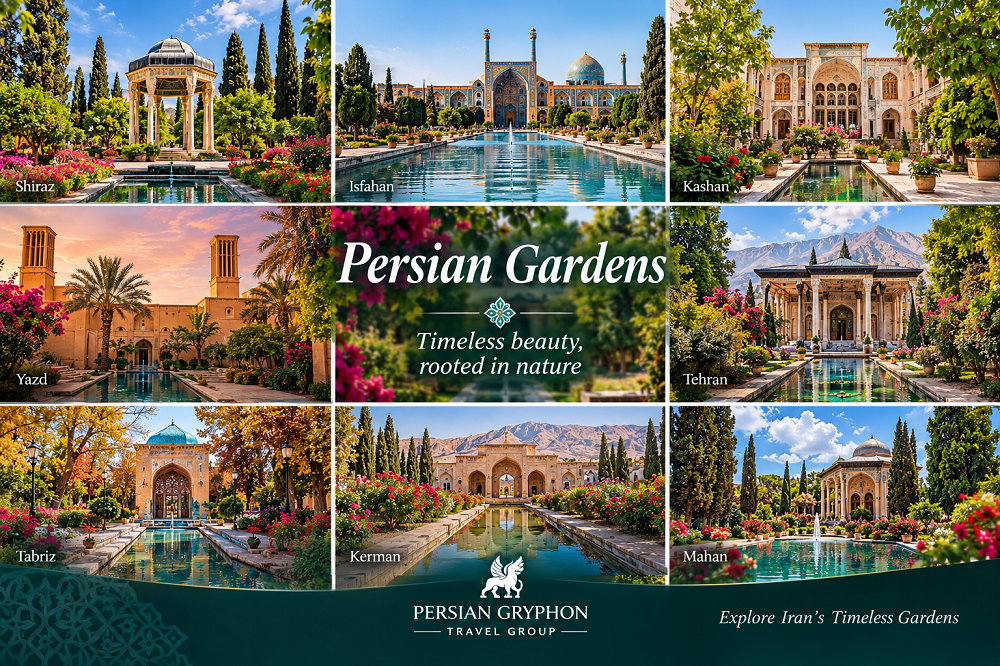
The Persian Garden: A UNESCO World Heritage Journey Through Paradise on Earth
Discover the Persian Garden, an extraordinary Iranian tradition where water, geometry, architecture, and nature combine to create landscapes of beauty, balance, and meaning.
Imagine entering a walled garden in the heart of a dry landscape. Tall cypress trees provide shade, flowing water moves through carefully designed channels, and a pavilion stands among flowers, fruit trees, and reflecting pools. The sounds of water and birds replace the noise of the outside world.
For centuries, Persian gardens have offered places of beauty, contemplation, hospitality, and connection with nature. Their influence extends beyond Iran, shaping garden design and inspiring art, poetry, architecture, and cultural traditions across different regions.
In 2011, UNESCO inscribed The Persian Garden on the World Heritage List. Unlike a single monument, this property brings together nine historic gardens across Iran. Each reflects a different region, climate, historical period, and architectural expression, yet all share fundamental principles of Persian garden design.
For travelers, these gardens reveal another dimension of Iranian heritage: a sophisticated relationship between people, water, plants, architecture, and the environment.
Why Is the Persian Garden a UNESCO World Heritage Site?
UNESCO inscribed The Persian Garden in 2011 under five cultural criteria: (i), (ii), (iii), (iv), and (vi).
The inscription recognizes the gardens as a group of outstanding cultural landscapes that demonstrate a long-standing design tradition.
Criterion (i): A masterpiece of human creativity
The Persian Garden represents a remarkable achievement in combining geometry, architecture, horticulture, and water engineering.
Its design transforms natural settings into carefully organized landscapes that balance practical needs with artistic expression.
Criterion (ii): Cultural exchange and influence
Persian garden design influenced landscape traditions beyond Iran, including in parts of Western Asia and other regions. Its geometry, symmetry, water systems, and architectural features became important references for later garden design.
Criterion (iii): Testimony to cultural traditions
The gardens provide evidence of cultural practices that developed over more than two millennia. They illustrate the role of gardens in royal life, private residences, public spaces, and social traditions.
Criterion (iv): An outstanding type of landscape design
The Persian Garden is an exceptional example of designed landscapes that integrate natural elements with architecture and engineering.
Its influence and adaptability demonstrate the lasting significance of this approach to landscape creation.
Criterion (vi): Connections with ideas, art, and literature
Persian gardens are closely associated with Iranian literature, poetry, visual art, carpet design, music, and cultural symbolism.
The garden appears throughout Persian cultural expression as a place of beauty, reflection, renewal, and idealized nature.
UNESCO inscription: 2011
Property type: Serial cultural property
Number of component gardens: Nine
UNESCO criteria: (i), (ii), (iii), (iv), (vi)
1. What Is the Persian Garden?
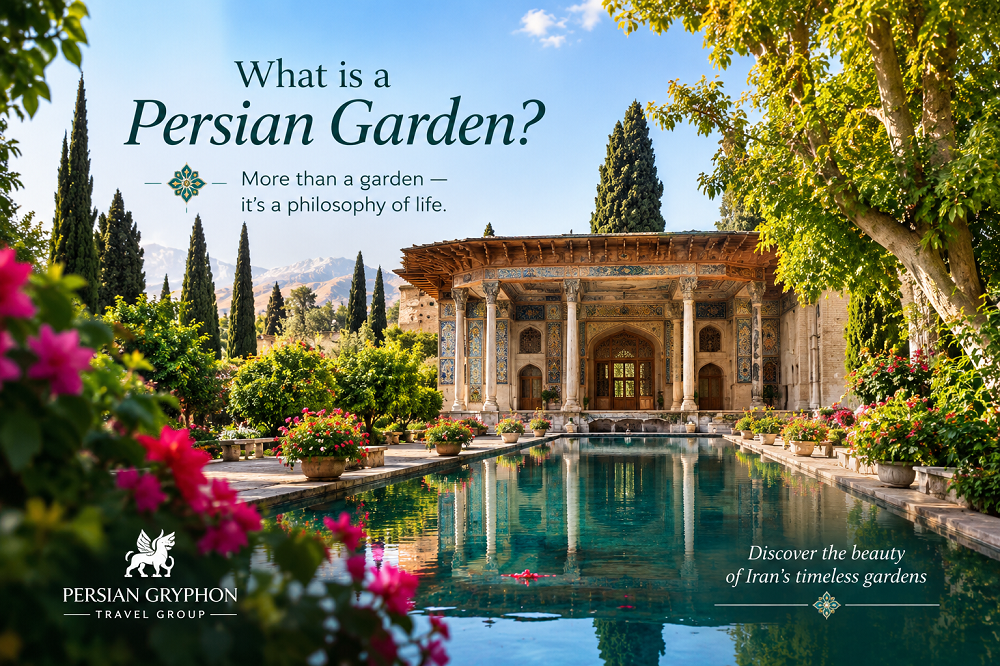
The Persian Garden is a traditional form of designed landscape that combines natural elements with carefully planned architecture and water systems.
Its history reaches back more than two millennia. UNESCO identifies the royal garden complex at Pasargadae, founded by Cyrus the Great in the sixth century BCE, as an early mature expression of the Persian garden tradition.
Over the centuries, gardens developed in royal palaces, private residences, cities, and religious or charitable complexes. Their forms adapted to local geography and climate while retaining recognizable design principles.
A Persian garden is not simply a beautiful green space. It is an integrated environment in which architecture, landscape design, horticulture, engineering, and symbolism work together.
Water cools the air, irrigates plants, and creates visual and auditory effects. Trees provide shade and structure. Pavilions offer places to rest and enjoy the landscape. Walls create a defined space separated from the surrounding environment.
UNESCO recognizes the Persian Garden as an outstanding cultural achievement because it demonstrates how human creativity can transform a landscape through knowledge, design, and careful use of natural resources.
2. The History of Persian Gardens: From Ancient Persia to the Present
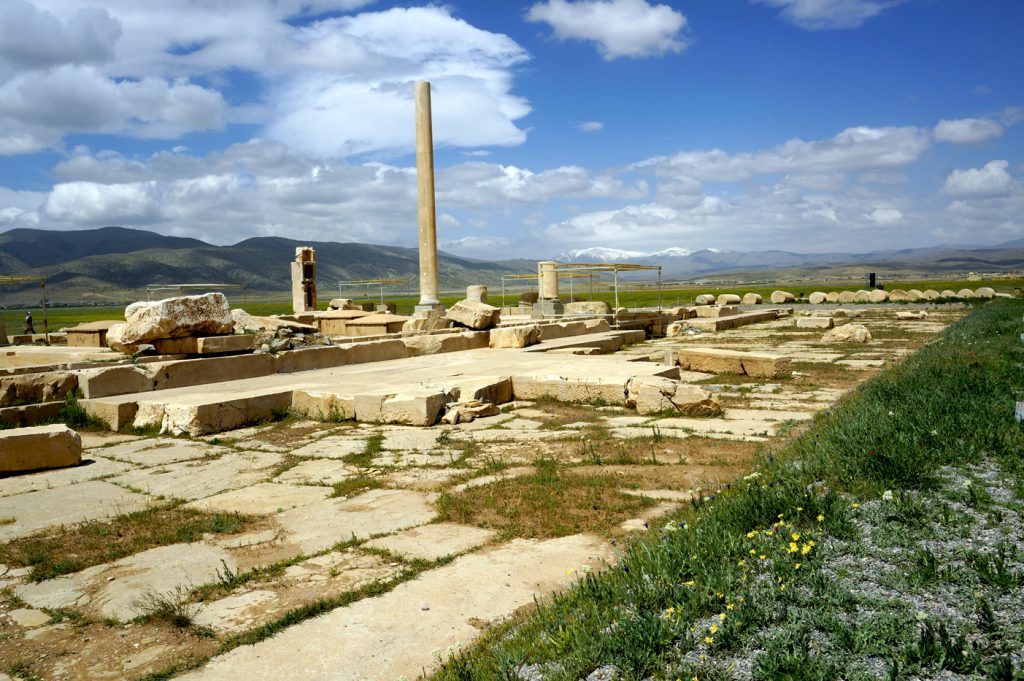
The Achaemenid beginnings
The history of Persian garden design is closely associated with the Achaemenid Empire, which emerged under Cyrus the Great in the sixth century BCE.
At Pasargadae, the first dynastic capital of the Achaemenid Empire, the royal complex included palaces and gardens arranged according to a planned design. Archaeological remains indicate an early form of the geometrically organized garden that later became a defining feature of Persian landscape design.
The garden was not merely decorative. Its arrangement reflected royal authority, planning, and the ability to create an ordered environment.
The Pasargadae garden tradition became an important reference point for later Persian gardens, although individual gardens continued to evolve according to their own historical and environmental circumstances.
Gardens in medieval Persian culture
Persian gardens became closely connected with literature, poetry, philosophy, and artistic expression.
Writers and poets used gardens as settings for themes of love, renewal, beauty, wisdom, and the passing of time. Flowers, trees, birds, and flowing water became recurring images in Persian poetry and visual art.
The garden also provided a setting for hospitality and social life. People gathered in gardens to relax, converse, celebrate, and appreciate the changing seasons.
This cultural significance helped make the garden a familiar and enduring symbol in Iranian life.
The Safavid period
The Safavid dynasty, which ruled from the early sixteenth to the eighteenth century, made a lasting contribution to Iranian architecture and urban design.
During this period, gardens were incorporated into royal complexes, avenues, and carefully planned urban spaces. Isfahan, in particular, became famous for its monumental architecture and landscaped urban environment.
Gardens such as Chehel Sotoun demonstrate how water, trees, architecture, and ceremonial space could be combined to create an impressive royal setting.
Other gardens, including Fin Garden in Kashan and Abbas Abad in northern Iran, reflect different ways of adapting garden design to local water sources, terrain, and climate.
Gardens in the Qajar period and beyond
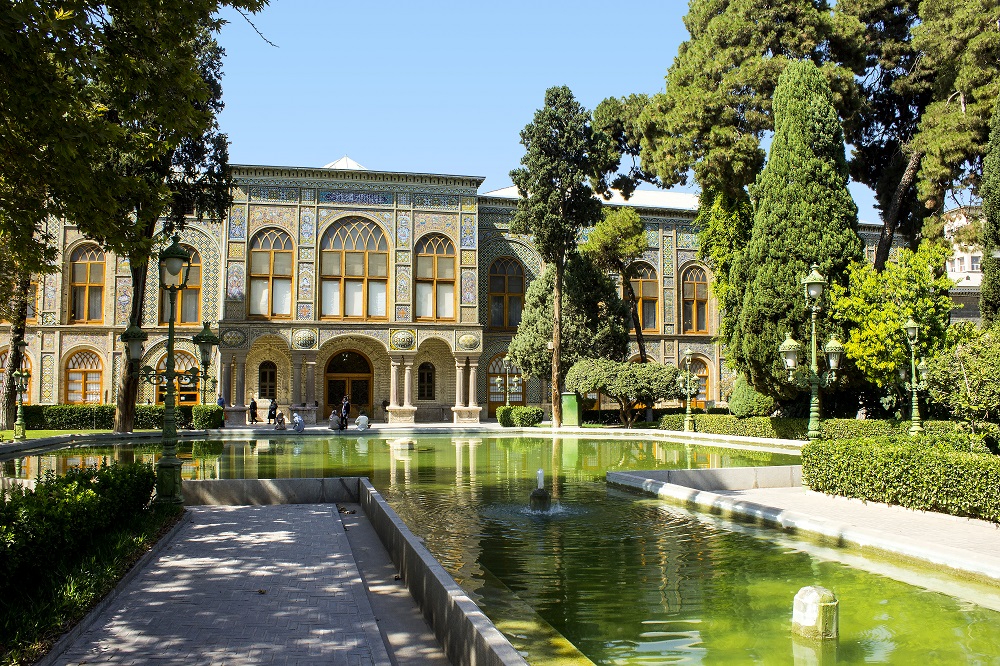
Garden design continued to develop after the Safavid period. New buildings, pavilions, planting arrangements, and decorative features reflected changing tastes and regional traditions.
Eram Garden in Shiraz and Akbarieh Garden in Birjand, for example, preserve important elements of later Iranian garden culture.
Today, Persian gardens remain valued for their architecture, landscape design, historic water systems, and cultural associations. They also provide opportunities to understand traditional approaches to shade, irrigation, and the careful management of resources.
3. Chahar Bagh: The Principle of the Four Gardens
One of the most recognizable ideas in Persian garden design is Chahar Bagh, meaning “Four Gardens.”
This principle uses geometric organization to divide a garden into four main sections, often arranged around intersecting pathways or water channels. The exact layout varies from one garden to another, and not every historic garden follows an identical plan.
The design creates a sense of order and balance. Water and pathways can guide visitors through the landscape, while trees and planting beds establish structure, shade, and seasonal variation.
The four-part arrangement also carries symbolic meaning. Persian gardens have long been associated with the idea of paradise on earth, and UNESCO connects this tradition with philosophical and religious concepts, including imagery of the four natural elements in Zoroastrian thought.
The word paradise itself entered European languages through historical linguistic connections with the Persian word pardis, associated with an enclosed garden.
The significance of Chahar Bagh is therefore both practical and symbolic. It organizes the landscape while expressing a vision of nature as a place of harmony, abundance, and human care.
4. Water: The Heart of the Persian Garden
Water is one of the defining features of Persian garden design.
In many parts of Iran, especially in the central plateau and desert regions, water has historically been a precious resource. Creating and maintaining a garden required detailed knowledge of water sources, irrigation, terrain, and plant needs.
Persian gardens demonstrate how this essential resource could serve practical and aesthetic purposes at the same time.
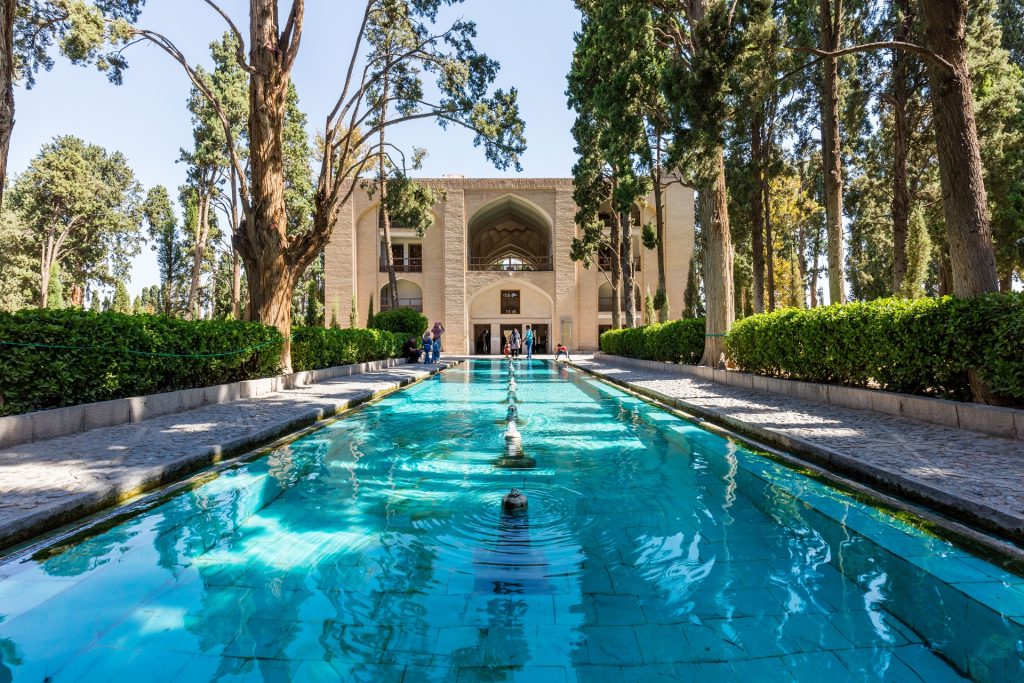
Water channels and reflecting pools
Channels may carry water through the garden, connecting different sections and supporting irrigation. Pools and fountains create reflections, movement, and sound.
The relationship between water and architecture can be particularly striking. A pavilion reflected in a still pool appears integrated with its surroundings, while flowing water creates a sense of movement through an otherwise carefully ordered space.
Traditional water management
The gardens use different water arrangements depending on their location and history. Springs, streams, channels, qanats, and other systems have played roles in supplying or distributing water in different gardens.
A qanat is a traditional underground water-conveyance system that uses gently sloping tunnels to bring groundwater toward settlements and agricultural land. Qanats are especially important in understanding how communities in arid regions historically managed water.
Not every Persian garden depends on a qanat, however. The water system of each garden reflects its particular geographical and historical context.
Water as a design element
Water provides more than irrigation. It can cool the surrounding environment, reflect light, create a calming soundscape, and connect different architectural elements.
The result is a landscape in which engineering and beauty are inseparable.
For contemporary visitors, this offers an important lesson: historic gardens were not created through aesthetics alone. They required observation, technical knowledge, and adaptation to local conditions.
5. The Nine UNESCO-Listed Persian Gardens
The UNESCO property consists of nine gardens in different regions of Iran. Together, they demonstrate the diversity of Persian garden design and its ability to adapt to different climates and historical periods.
1. Pasargadae Garden — Fars Province
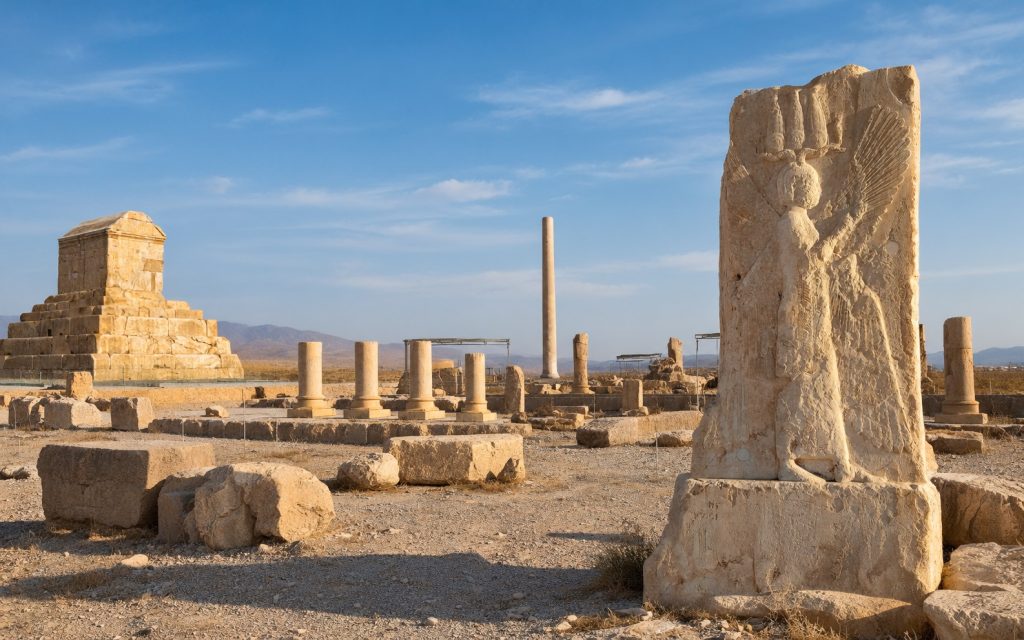
Pasargadae, founded by Cyrus the Great in the sixth century BCE, preserves the remains of an early Achaemenid royal complex.
The garden layout is especially important because it illustrates an early form of the geometrically organized Persian garden. Water channels and the arrangement of palatial structures reveal the relationship between landscape design and royal architecture.
Pasargadae is also a separate UNESCO World Heritage property because of its exceptional archaeological and historical significance.
Why visit: Explore the origins of the Persian garden tradition while discovering the legacy of Cyrus the Great and the Achaemenid Empire.
2. Eram Garden — Shiraz, Fars Province
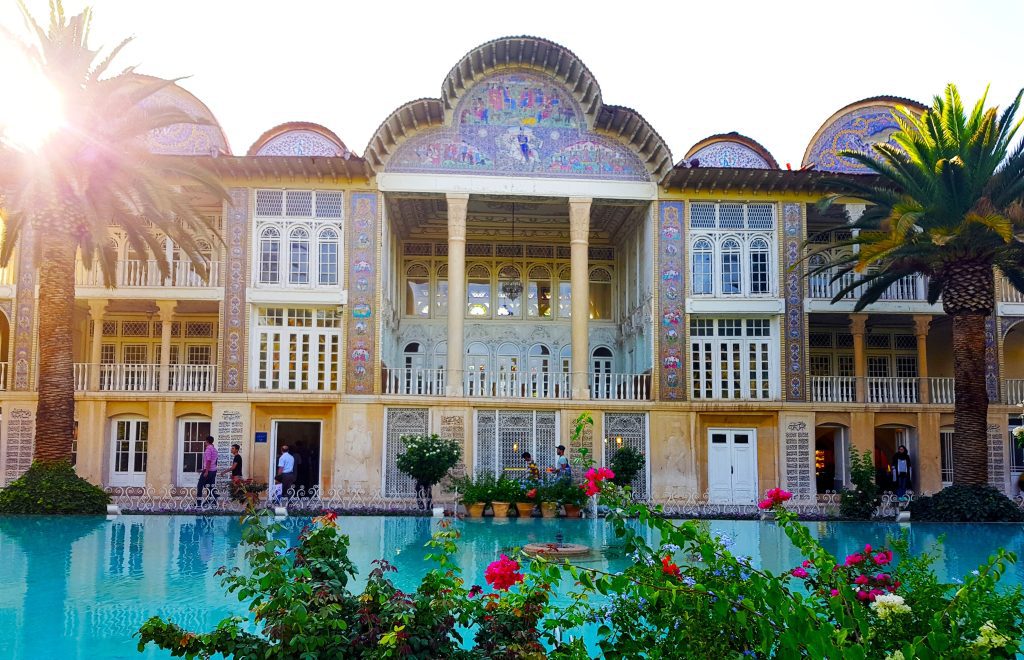
Eram Garden is one of Shiraz’s best-known historic gardens. Its landscaped grounds, tall cypress trees, and elegant pavilion create a distinctive setting within the city.
The garden is associated with later periods of Iranian garden culture and demonstrates how planting, architecture, and water can create a composed and inviting landscape.
Shiraz is also famous for its literary heritage, particularly its association with the poets Hafez and Saadi. Visiting Eram Garden can therefore form part of a wider exploration of the city’s gardens, poetry, and historic monuments.
Why visit: Experience the atmosphere of a traditional Persian garden in a city celebrated for poetry and culture.
3. Chehel Sotoun Garden — Isfahan Province
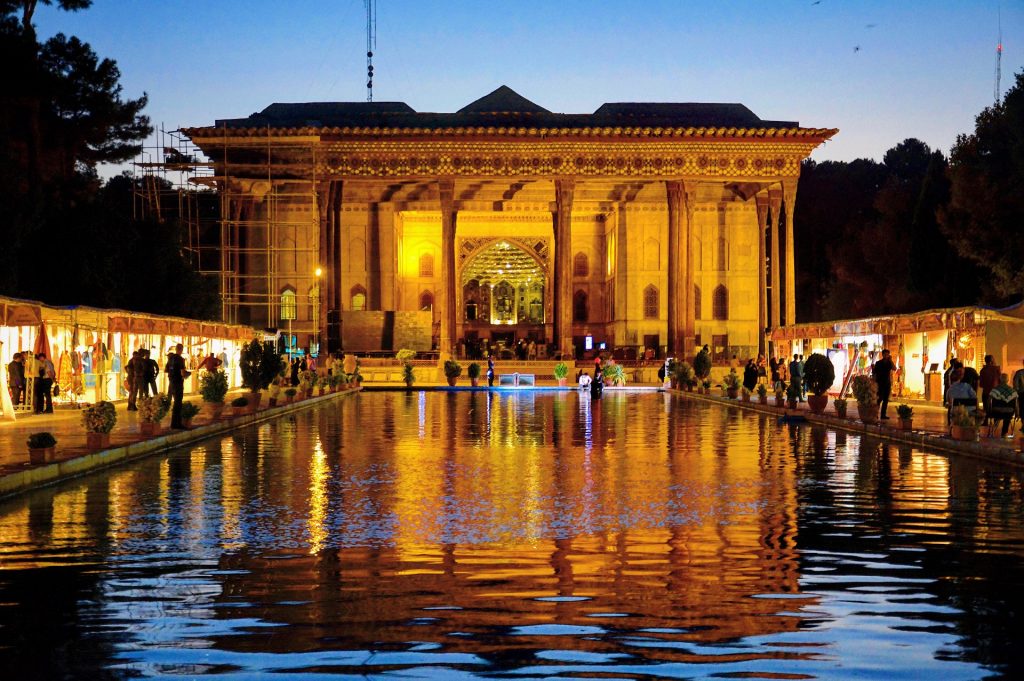
Chehel Sotoun is part of the historic garden heritage of Isfahan and is particularly famous for its pavilion and reflecting pool.
The name Chehel Sotoun means “Forty Columns.” The pavilion’s twenty columns are reflected in the water, creating the visual impression associated with its name.
The garden belongs to the broader Safavid tradition of royal landscape and architectural design. Its relationship with nearby historic urban spaces helps illustrate how gardens contributed to the ceremonial and cultural life of Isfahan.
Why visit: Admire the interaction of pavilion architecture, water, painting, and the landscaped setting of Safavid Isfahan.
4. Fin Garden — Kashan, Isfahan Province
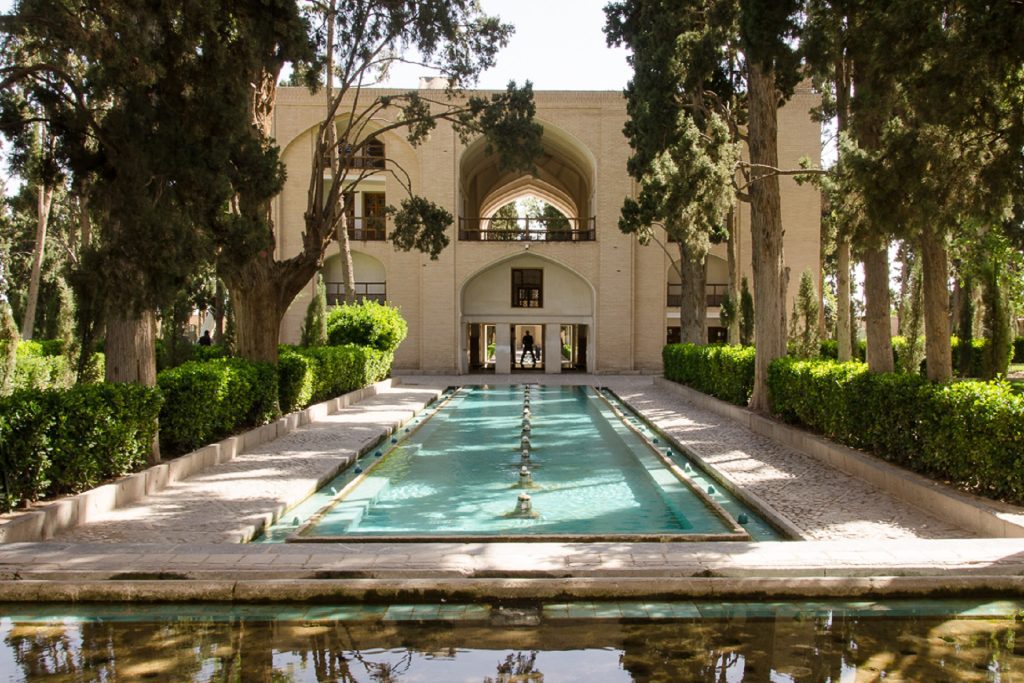
Fin Garden, located in Kashan, is celebrated for its historic layout, shaded pathways, pools, and flowing water.
Its water system is a defining feature, and the garden reflects the importance of managing a reliable water source in a relatively dry environment.
Fin Garden also carries a significant place in modern Iranian history. It is associated with the death of Amir Kabir, a nineteenth-century statesman and reformer, who was killed there in 1852.
The garden offers visitors both architectural beauty and a connection to the political history of the Qajar period.
Why visit: Discover a historic garden where water engineering, shade, architecture, and Iranian history come together.
5. Abbas Abad Garden — Behshahr, Mazandaran Province
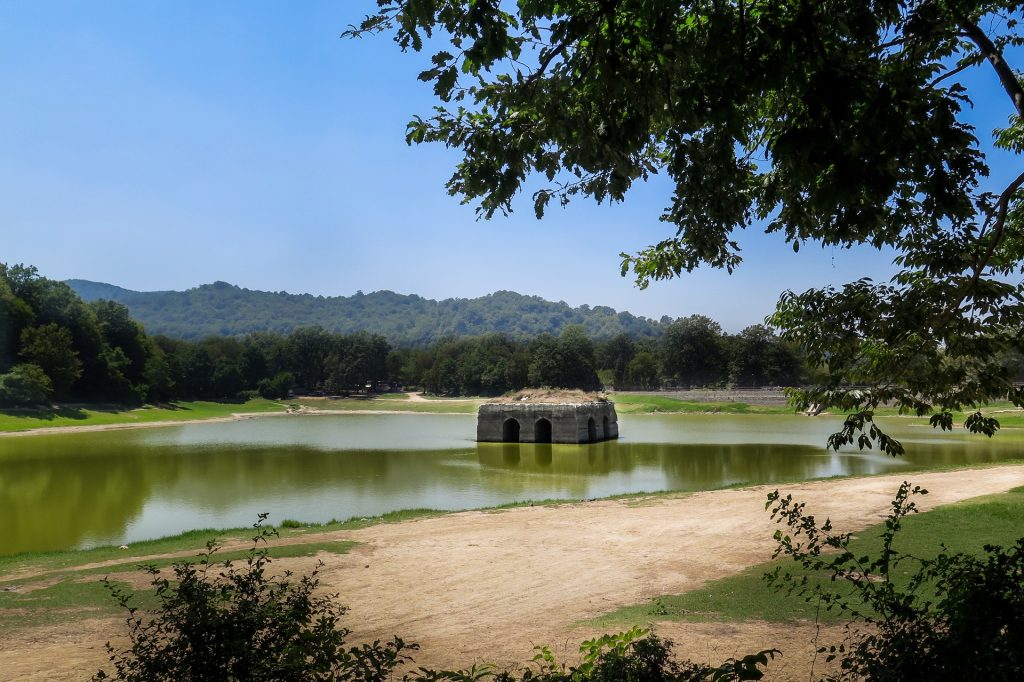
Abbas Abad is located near Behshahr in northern Iran, where the climate and landscape differ markedly from the arid regions of central Iran.
Its setting reflects the adaptation of Persian garden design to a greener environment with different water and vegetation conditions.
The garden complex is associated with the Safavid period and includes landscape features shaped by its terrain and water systems.
Why visit: Experience a different expression of Persian garden design in the forested landscapes of northern Iran.
6. Shazdeh Garden — Mahan, Kerman Province
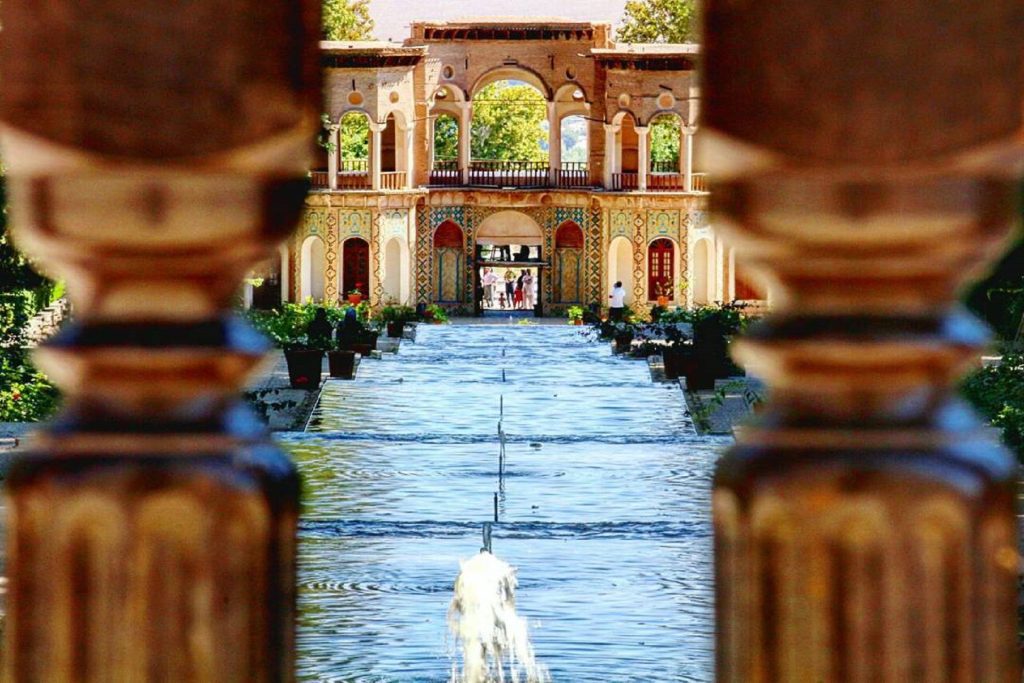
Shazdeh Garden, also known as the Prince’s Garden, lies near Mahan in Kerman Province.
Its location is especially striking because the garden stands within a relatively arid region. Water moves through the landscaped grounds, creating a series of pools and cascades that contrast with the surrounding landscape.
The garden’s terraces, trees, pathways, and pavilion create a strong sense of perspective. Its design demonstrates how water and planting can transform a dry environment into a carefully structured green space.
Why visit: Discover one of Iran’s most dramatic garden landscapes and see how water shapes a garden in an arid region.
7. Dolat Abad Garden — Yazd Province
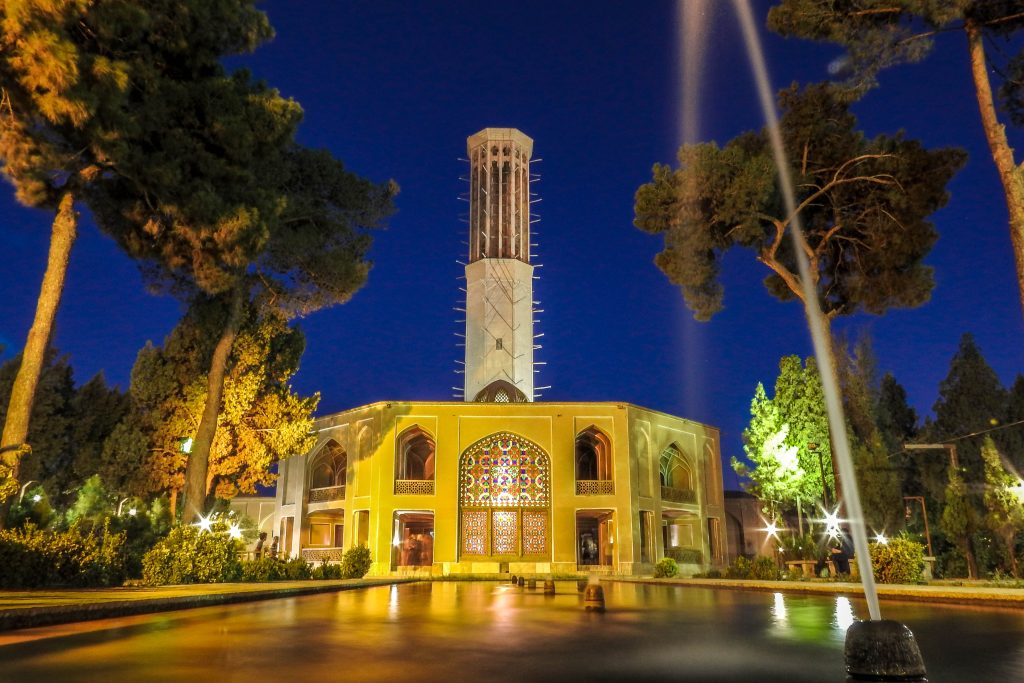
Dolat Abad Garden is located in Yazd, a historic desert city known for its traditional architecture and sophisticated approaches to living in a dry climate.
The garden is famous for its long water axis, landscaped grounds, and tall windcatcher associated with its pavilion.
A badgir, or windcatcher, is a traditional architectural feature designed to help ventilate and cool buildings by directing airflow. Its form and operation depend on the building design and local conditions.
Dolat Abad illustrates the close relationship between garden design and the wider architectural traditions of desert settlements.
Why visit: Explore the meeting point of Persian garden design and the climate-responsive architecture of Yazd.
8. Pahlavanpour Garden — Mehriz, Yazd Province
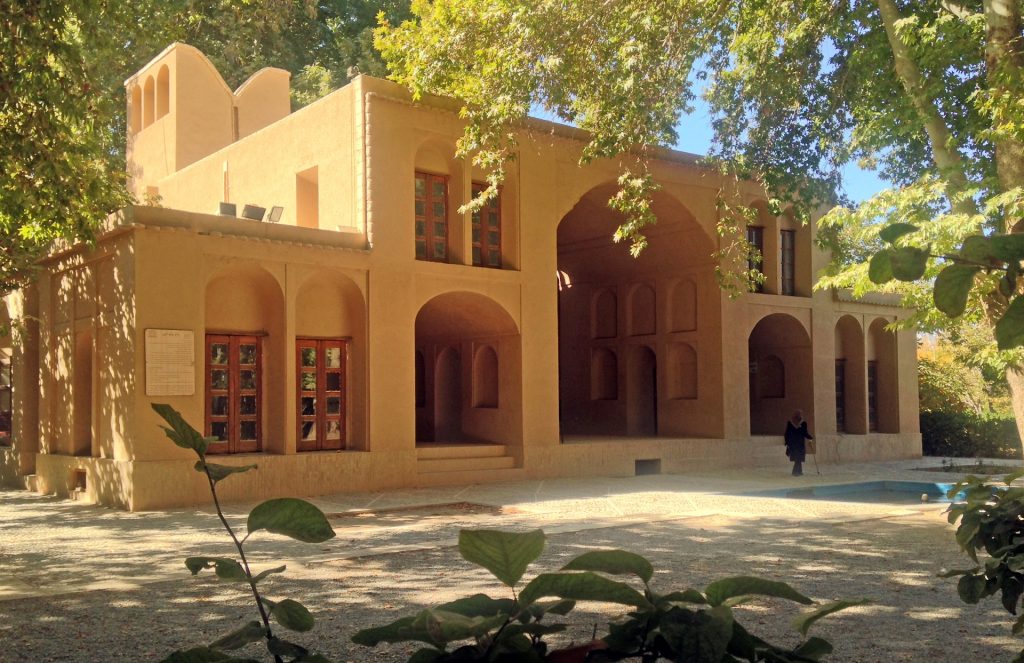
Pahlavanpour Garden is located in Mehriz, in the wider Yazd region. Its planting, water features, and architectural elements reflect the adaptation of traditional garden design to local environmental conditions.
The garden illustrates how water management, vegetation, and built structures work together to create a distinctive landscape.
Its setting provides an opportunity to explore the relationship between gardens and the historic settlements and agricultural systems of central Iran.
Why visit: Discover a quieter garden landscape and learn more about the environmental knowledge behind traditional Iranian gardens.
9. Akbarieh Garden — Birjand, South Khorasan Province

Akbarieh Garden is located in Birjand, in South Khorasan Province. Its landscape and architectural features reflect the garden tradition in eastern Iran.
The garden includes historic buildings and planted areas that demonstrate how Persian garden principles developed within a regional setting.
Its inclusion in the UNESCO property helps show that the Persian garden tradition was not confined to a single city or climate. It developed across different parts of Iran while retaining shared principles of spatial organization, water use, and the relationship between architecture and nature.
Why visit: Explore the garden heritage of eastern Iran and discover a less familiar destination in the country’s cultural landscape.
6. Persian Gardens and the Meaning of Paradise
The Persian garden has often been understood as an earthly expression of paradise.
Its walls define a protected space. Trees provide shade, water brings life, and the arrangement of paths and planting creates an impression of balance and order.
This idea appears in Persian literature and art, where gardens often symbolize beauty, love, spiritual reflection, renewal, and the passage of time.
The association with paradise should not be reduced to a single religious interpretation. The garden tradition evolved across different historical periods and cultural contexts, incorporating varied philosophical, symbolic, and artistic meanings.
The result is a landscape tradition that is both practical and imaginative. It provides a place for rest and cultivation while expressing a vision of nature shaped by knowledge and care.
7. The Persian Garden in Poetry, Art, and Everyday Life
Persian gardens have influenced far more than landscape architecture. Their imagery appears in poetry, painting, carpets, textiles, music, and decorative arts.
Gardens in Persian poetry
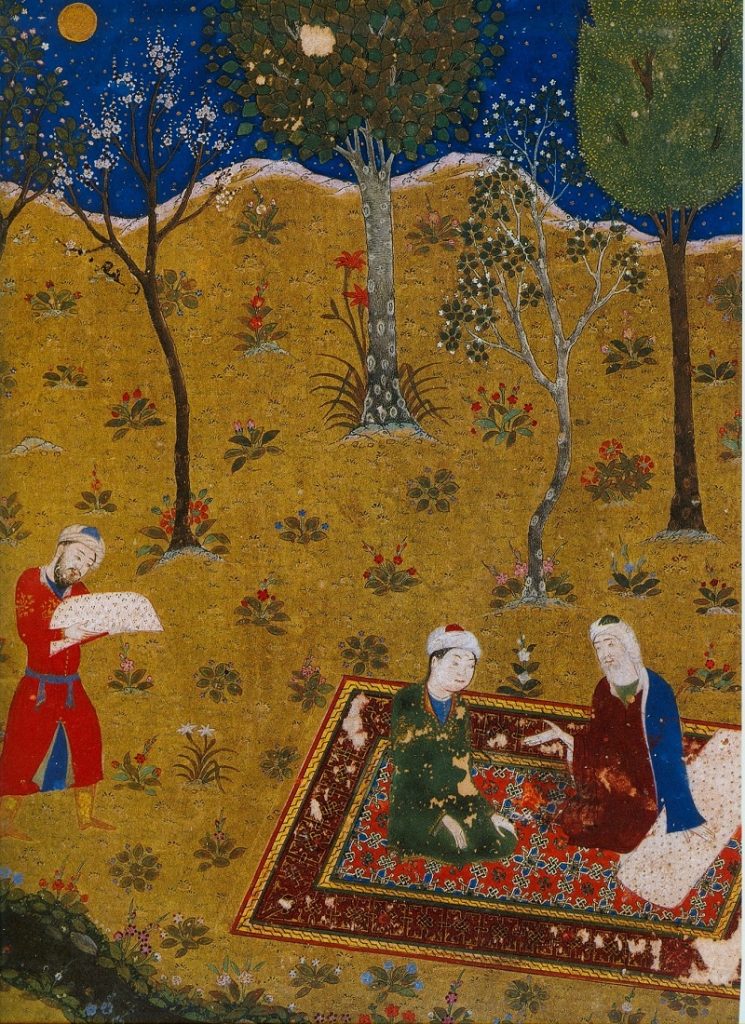
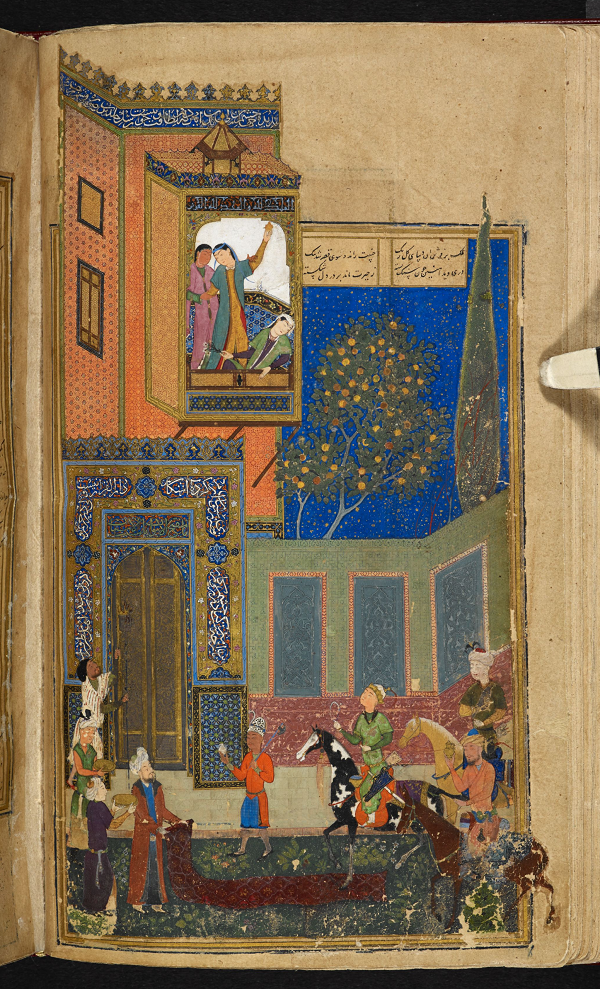
Flowers, cypress trees, birds, and flowing water are familiar images in Persian poetry.
Poets such as Hafez and Saadi drew on the garden as a setting for reflections on love, human experience, beauty, and spiritual meaning. Garden imagery can suggest joy and abundance, but it can also remind readers that life and beauty are temporary.
In Shiraz, the connection between gardens and poetry remains especially vivid. Visitors can explore the city’s literary heritage alongside its historic gardens.
Gardens in Persian carpets and miniature painting
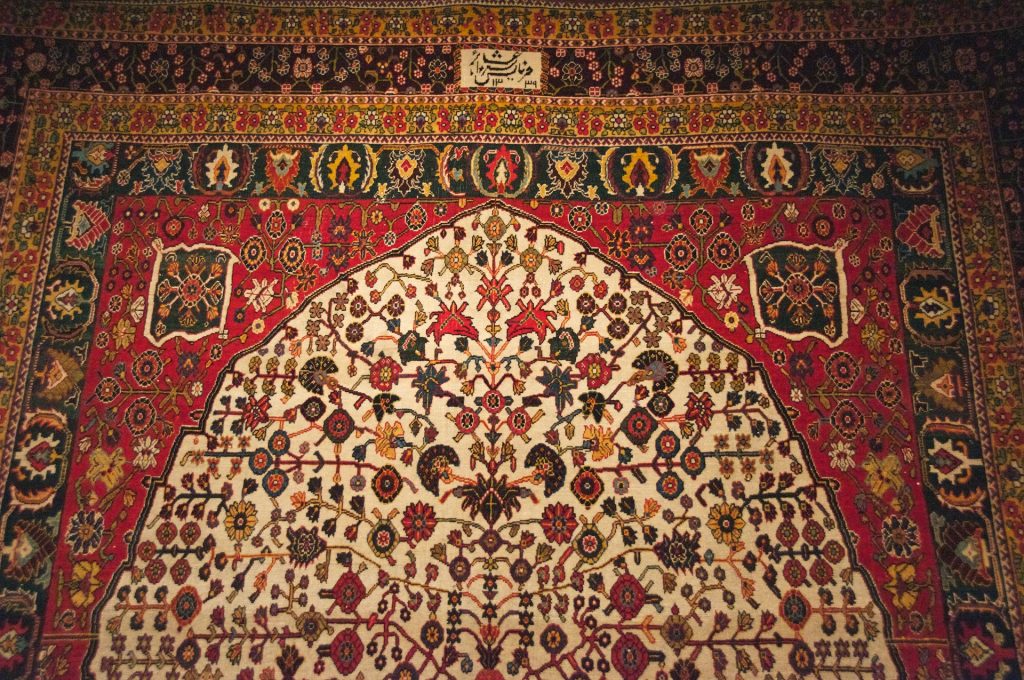
Persian carpets frequently use garden-inspired compositions, including geometric divisions, flowering plants, trees, and flowing water motifs.
Miniature paintings also depict gardens as carefully arranged settings for courtly life, stories, and social gatherings.
These artistic traditions show how the idea of the garden moved beyond physical landscapes and became part of a wider cultural imagination.
Gardens as places of hospitality
Historically, gardens also offered places to welcome guests, gather with family, and enjoy food, conversation, and seasonal celebrations.
This social dimension remains an important part of the garden’s meaning. A Persian garden is not only something to observe; it is a place designed for people to spend time within it.
8. Environmental Wisdom and Sustainable Design
The Persian Garden offers valuable lessons about the relationship between landscape design and environmental conditions.
Its historic designers had to consider water availability, local climate, plant selection, shade, and the practical needs of cultivation.
Adapting to local climates
The nine UNESCO-listed gardens show that Persian garden principles can be adapted to very different environments.
A garden in a desert city such as Yazd has different water and climate considerations from a garden in the greener north of Iran. The resulting designs reflect those differences while preserving a recognizable garden tradition.
Water management
Historic gardens required careful management of water sources and distribution systems.
Channels, pools, irrigation arrangements, and other features served both practical and aesthetic purposes. Their design demonstrates the importance of understanding the movement and use of water within a landscape.
These historic systems should not automatically be equated with modern sustainable design standards. Nevertheless, they provide important examples of long-term adaptation to local environmental constraints.
Trees, shade, and microclimates
Trees help define the garden’s structure, provide shade, and influence the conditions experienced by visitors.
Planting patterns, walls, water, and architectural features can work together to create a more comfortable environment than the surrounding landscape, although the effect depends on the garden’s design and local climate.
Lessons for contemporary tourism
The Persian Garden encourages visitors to think about how historic communities responded to environmental challenges.
For PGTG, these landscapes also offer an opportunity to promote responsible travel: appreciating heritage, respecting living environments, supporting conservation, and recognizing the knowledge embedded in traditional architecture and landscape design.
9. Best Time to Visit Persian Gardens in Iran
The ideal season depends on the region and the garden you plan to visit.
Spring, especially April and May, is often an appealing time for gardens across much of Iran. Trees and flowers may be at their most vibrant, although conditions vary by location and year.
Early autumn can also offer comfortable weather in many destinations, with changing light and cooler temperatures.
Summer can be hot in central and southern Iran, particularly around Kashan, Yazd, and Kerman. If visiting during this period, plan outdoor activities for cooler parts of the day, carry water, and protect yourself from the sun.
Winter conditions vary considerably. Some gardens may remain accessible, but cold weather can affect the appearance of the landscape and the availability of water features.
Before traveling, check current opening hours, local weather, access arrangements, and any conservation restrictions.
10. Practical Travel Tips for Visiting Persian Gardens
Allow time to explore slowly. Gardens are best experienced without rushing. Take time to notice the relationship between water, trees, pathways, pavilions, and surrounding landscapes.
Wear comfortable shoes. Historic gardens may have long pathways, uneven surfaces, or steps.
Respect the landscape. Stay on designated paths, avoid damaging plants, and follow any restrictions around pools, water channels, or historic structures.
Check photography rules. Some sites may have restrictions on tripods, commercial photography, or access to particular buildings.
Bring water and sun protection. This is especially important during warmer months and in desert regions.
Consider a local guide. A knowledgeable guide can explain the historical context, architectural features, water systems, and symbolism of each garden.
Plan your route geographically. The nine gardens are spread across Iran. Visiting all of them requires a multi-region itinerary, so combining nearby gardens with other cultural destinations can make travel more practical.
12. A Persian Garden Journey with PGTG
Because the UNESCO property includes nine gardens across different provinces, it offers a wonderful opportunity to explore Iran through several complementary journeys.
A tailored itinerary can combine historic gardens with ancient capitals, traditional towns, Persian architecture, local food, poetry, and desert landscapes.
Southern Iran: Shiraz and Pasargadae
Discover Eram Garden in Shiraz, explore the city’s literary heritage, and continue to Pasargadae to learn about the Achaemenid origins of Persian garden design.
Depending on your itinerary, the journey can also include Persepolis and other historic sites in Fars Province.
Central Iran: Kashan, Isfahan, and Yazd
Explore Fin Garden in Kashan, Chehel Sotoun in Isfahan, and the gardens of Yazd Province.
This route combines gardens with historic urban centers, traditional architecture, bazaars, and the region’s distinctive approaches to living in dry climates.
Kerman: Shazdeh Garden
Visit Shazdeh Garden near Mahan and discover the striking contrast between the cultivated landscape and the surrounding arid region.
The experience can be combined with other cultural and desert destinations in Kerman Province.
Northern and eastern Iran
For travelers seeking less familiar routes, Abbas Abad near Behshahr and Akbarieh in Birjand reveal the regional diversity of Persian garden design.
These destinations can be included in longer journeys through northern forests or eastern Iranian cultural landscapes.
At PGTG — Persian Gryphon Travel Group — we design cultural journeys that connect visitors with the stories, people, and landscapes behind Iran’s heritage.
Our approach to responsible tourism encourages travelers to move beyond quick sightseeing and discover the meaning of each place, while respecting local communities and the environments that sustain historic sites.
Conclusion: Experience the Beauty of Paradise on Earth
The Persian Garden is one of Iran’s most distinctive cultural achievements. Its geometric layouts, flowing water, shaded pathways, pavilions, and carefully arranged planting express a tradition shaped by centuries of observation, creativity, and technical knowledge.
Across nine UNESCO-listed gardens, visitors can discover how a shared design philosophy adapted to different landscapes, from the deserts of central Iran to the greener regions of the north.
These gardens are also living expressions of Persian culture. Their influence can be found in poetry, painting, carpets, architecture, and the traditions of hospitality that continue to shape Iranian life.
Don’t just read about Persian gardens — come and experience their beauty in Iran!
Walk through historic garden pathways, listen to flowing water, admire centuries-old architecture, and discover the cultural stories behind these extraordinary landscapes.
Explore Iran with PGTG — where every journey brings you closer to the people, stories, and heritage that make this land unforgettable.
📩 Contact Persian Gryphon Travel Group to plan your cultural journey through Iran.
Together, we learn, experience, and give meaning to travel.
Leave a Reply