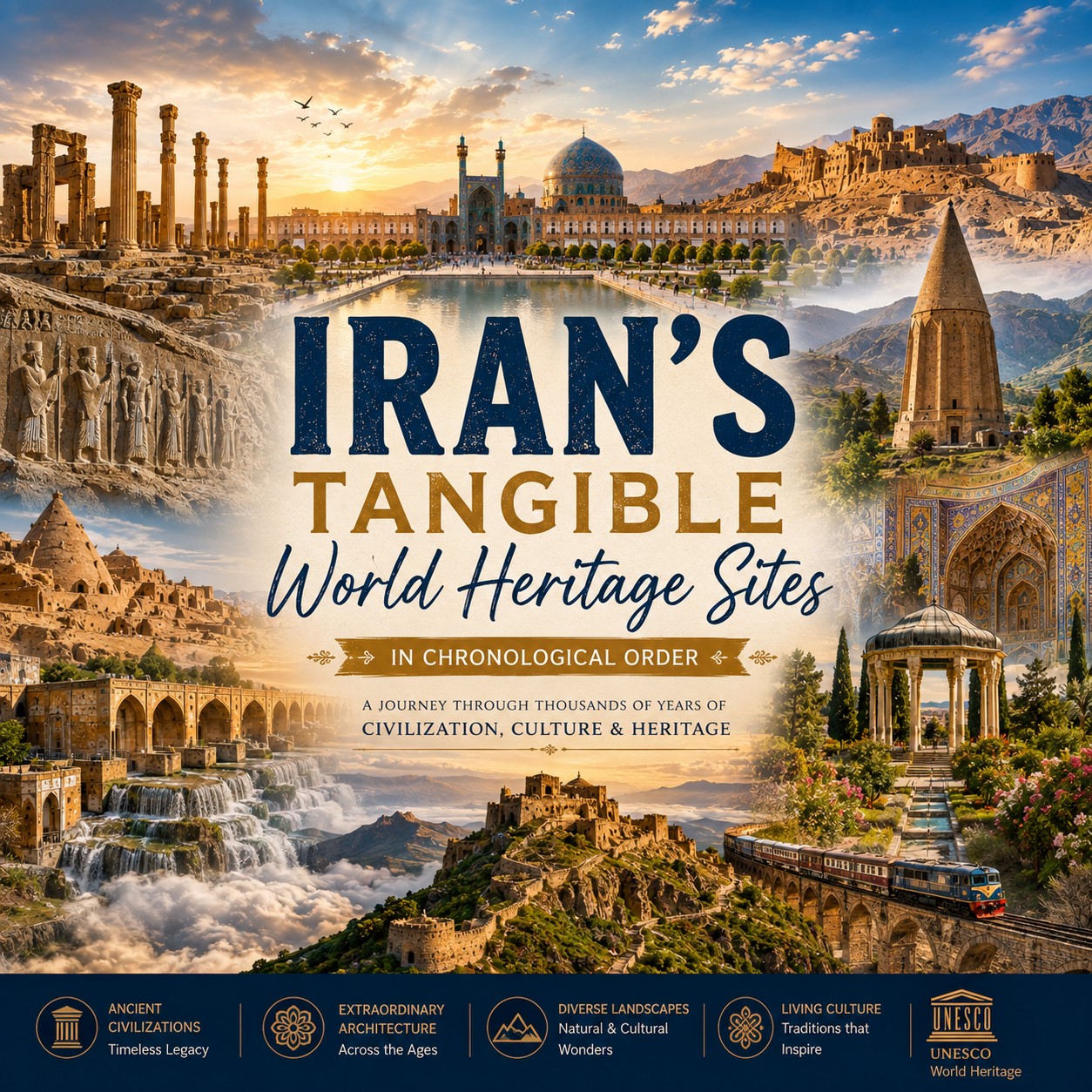
Iran’s UNESCO World Heritage Sites: A Chronological Journey
From Ancient Civilizations to Modern Heritage!
Iran is one of the world’s great centers of civilization.
Across its vast landscapes, travelers can discover archaeological cities, royal capitals, ancient temples, historic bazaars, Persian gardens, ingenious water systems, traditional villages, religious monuments, railways, and extraordinary cultural landscapes.
UNESCO currently recognizes 30 World Heritage properties in Iran, including 28 cultural properties and 2 natural properties. The country’s first three inscriptions came in 1979, while the newest cultural addition, Alamūt Castle and Related Fortifications, was inscribed in 2026.
This chronological journey through Iran’s tangible cultural World Heritage Sites shows how Persian civilization developed across thousands of years.
1979 — The Beginning of Iran’s UNESCO Journey
Iran’s first World Heritage inscriptions came in 1979. Three monumental sites were recognized during the early years of the World Heritage Convention.
1. Meidan Emam, Esfahan — 1979
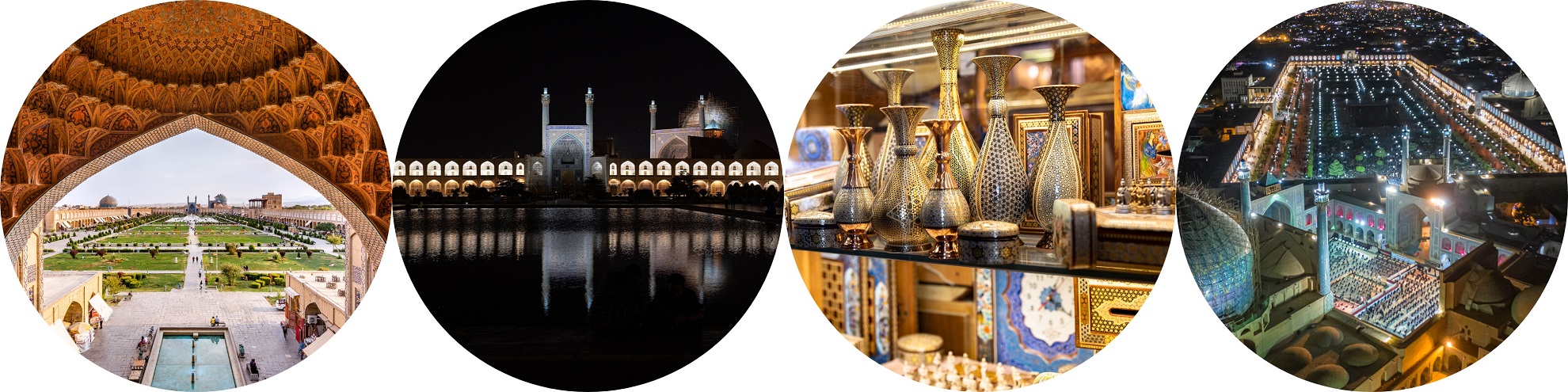
One of Iran’s most spectacular urban spaces, Meidan Emam (Naqsh-e Jahan Square) represents the grandeur of Safavid Isfahan. The enormous square is surrounded by remarkable monuments, including the Imam Mosque, Sheikh Lotfollah Mosque, Ali Qapu Palace, and the historic bazaar.
It demonstrates the extraordinary achievements of Persian urban planning, architecture, art, and craftsmanship.
2. Persepolis — 1979
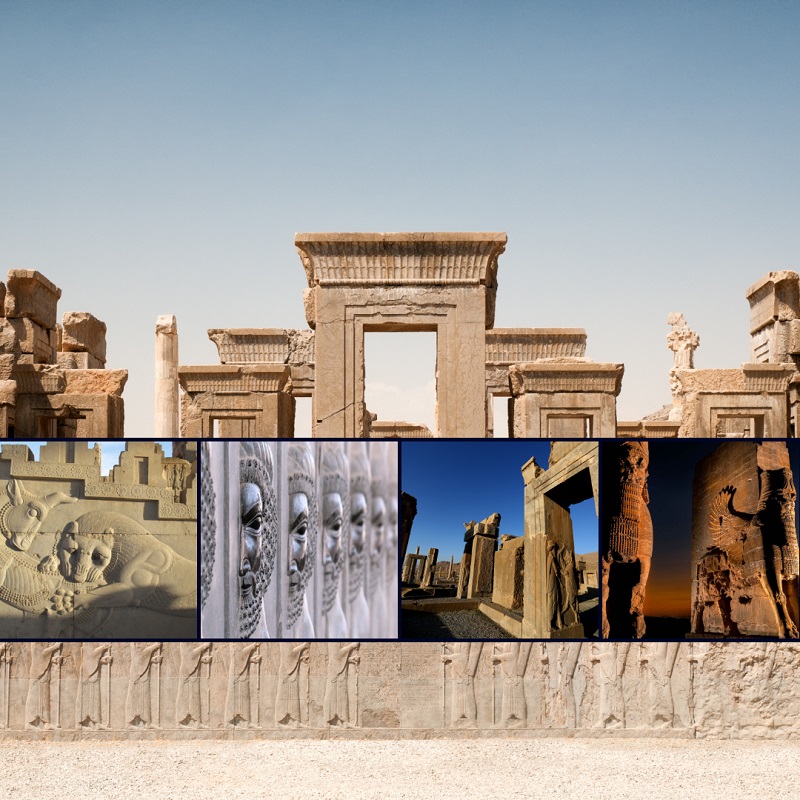
Persepolis is one of the world’s most famous archaeological sites.
Founded by Darius I in the sixth century BCE, the ceremonial capital of the Achaemenid Empire became a magnificent expression of imperial Persian architecture. Its monumental stairways, reliefs, columns, and palaces provide extraordinary evidence of the Achaemenid civilization.
3. Tchogha Zanbil — 1979
Located in Khuzestan, Tchogha Zanbil is one of the best-preserved ancient ziggurats outside Mesopotamia.
Built by the Elamite king Untash-Napirisha during the second millennium BCE, the site reveals the remarkable religious and architectural traditions of ancient Elam.
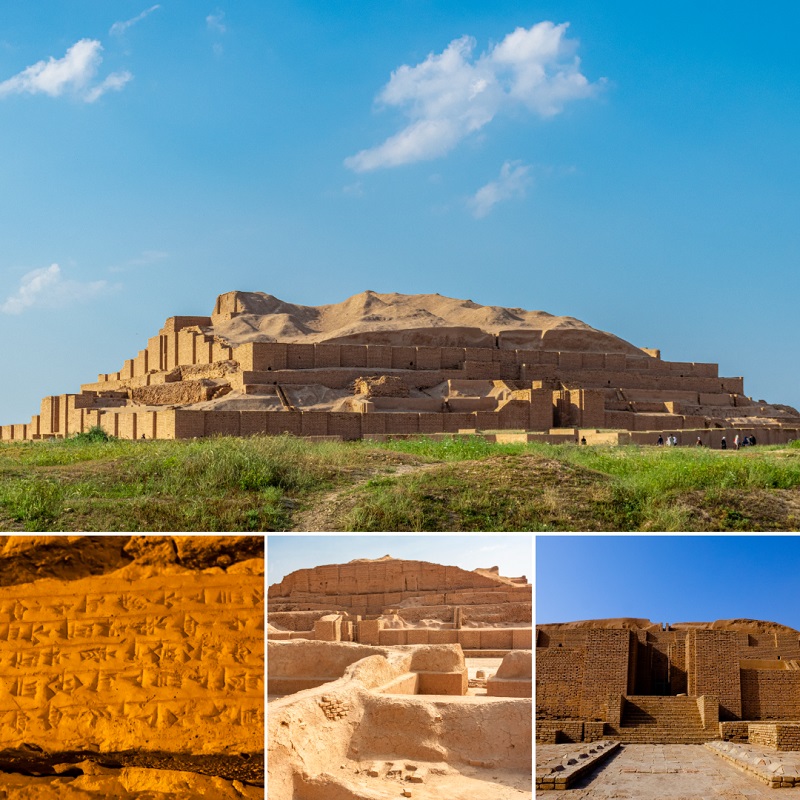
UNESCO recognized all three properties in 1979.
2003 — Takht-e Soleyman
4. Takht-e Soleyman — 2003
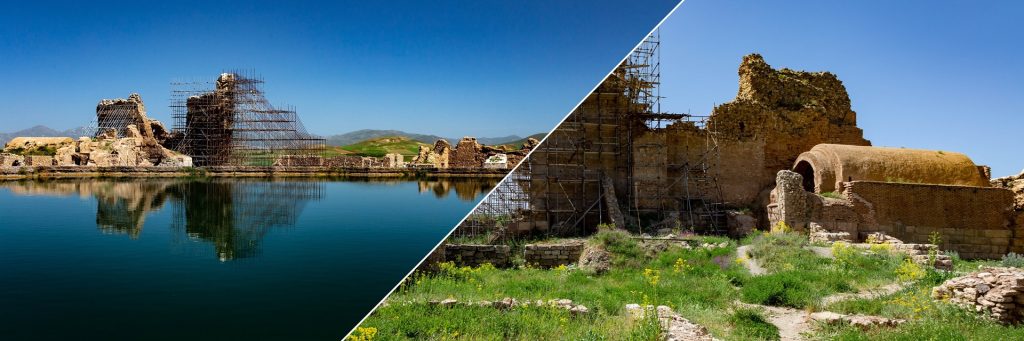
Located in northwestern Iran, Takht-e Soleyman is an extraordinary archaeological landscape surrounding a natural lake. The site contains remains associated with one of the most important Zoroastrian sanctuaries of the Sasanian period. Its location among volcanic mountains creates one of Iran’s most dramatic heritage landscapes.
2004 — Pasargadae and Bam
5. Pasargadae — 2004

Pasargadae was founded by Cyrus the Great, the founder of the Achaemenid Empire.
The archaeological complex includes the tomb traditionally identified as Cyrus’s tomb, palaces, gardens, and monumental structures. UNESCO describes Pasargadae as the first outstanding expression of Achaemenid royal architecture and notes the importance of its gardens in the development of the Persian garden tradition.
6. Bam and its Cultural Landscape — 2004
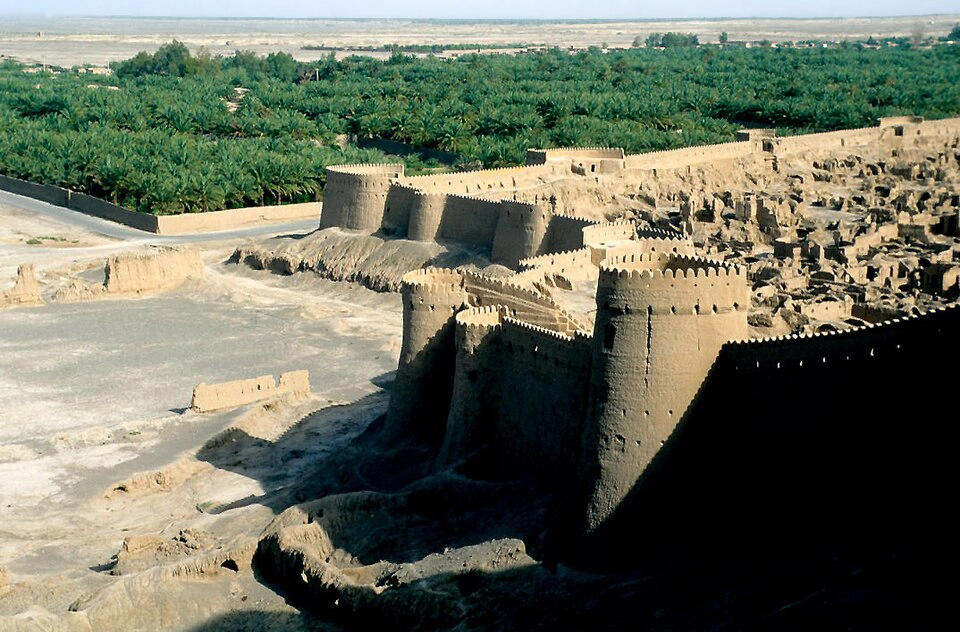
Bam is famous for its extraordinary adobe architecture.
The historic citadel and surrounding cultural landscape demonstrate how people adapted to the harsh environment of southeastern Iran. Bam combines architecture, agriculture, water management, and traditional settlement patterns into a remarkable cultural landscape.
2005 — Soltaniyeh
7. Soltaniyeh — 2005
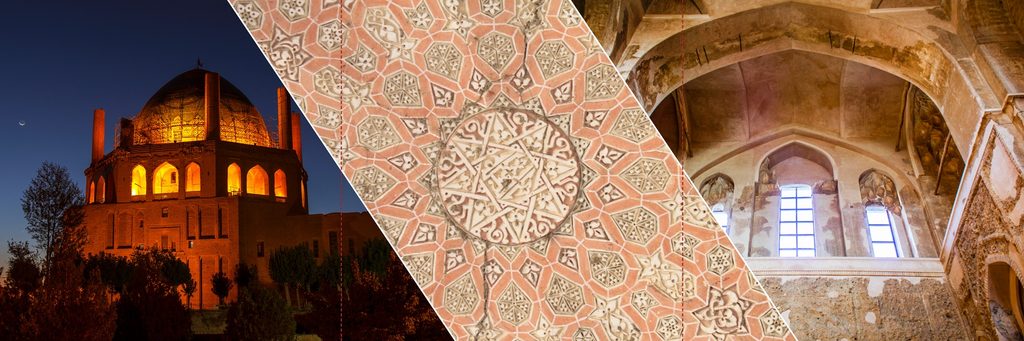
The magnificent mausoleum of Oljaytu dominates the historic city of Soltaniyeh in Zanjan Province.
Built between 1302 and 1312, its enormous turquoise dome became an important milestone in the development of Persian and Islamic architecture. The monument represents the architectural achievements of the Ilkhanid period.
2006 — Bisotun
8. Bisotun — 2006
Bisotun lies along one of the ancient routes connecting Mesopotamia with the Iranian plateau.
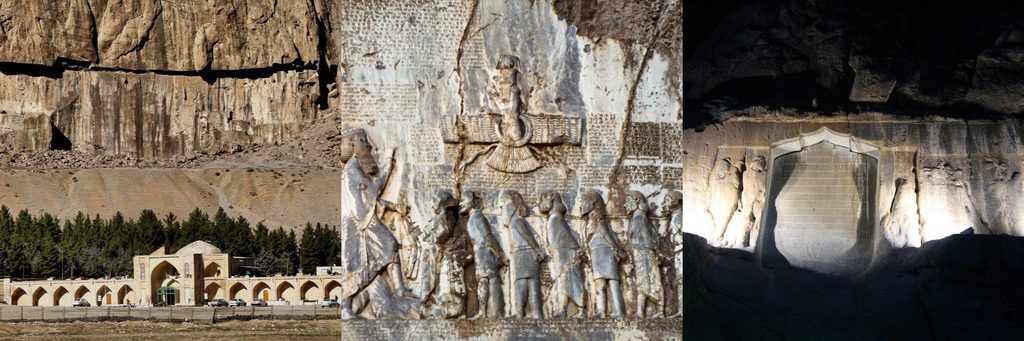
Its most famous monument is the monumental inscription of Darius the Great, accompanied by reliefs carved into the mountainside. The site provides exceptional evidence of Achaemenid history and the cultures that developed in the region over many centuries.
2008 — Armenian Monastic Ensembles of Iran
9. Armenian Monastic Ensembles of Iran — 2008
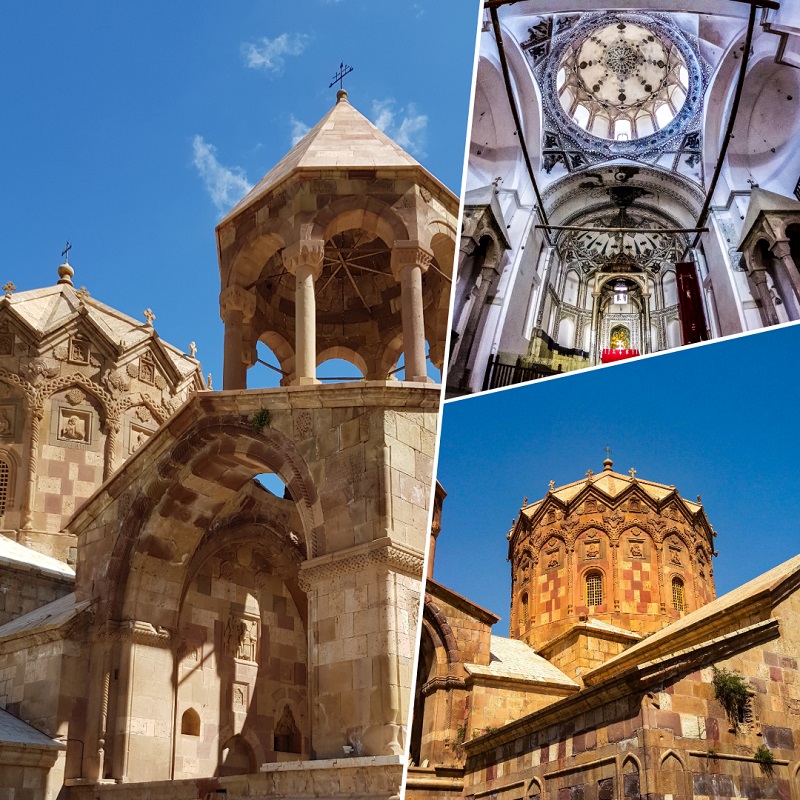
This serial World Heritage property includes important Armenian Christian monasteries in northwestern Iran.
The ensembles demonstrate the long history of Armenian communities in the region and the architectural and cultural exchange between Persian, Armenian, Byzantine, and other traditions.
2009 — Shushtar Historical Hydraulic System
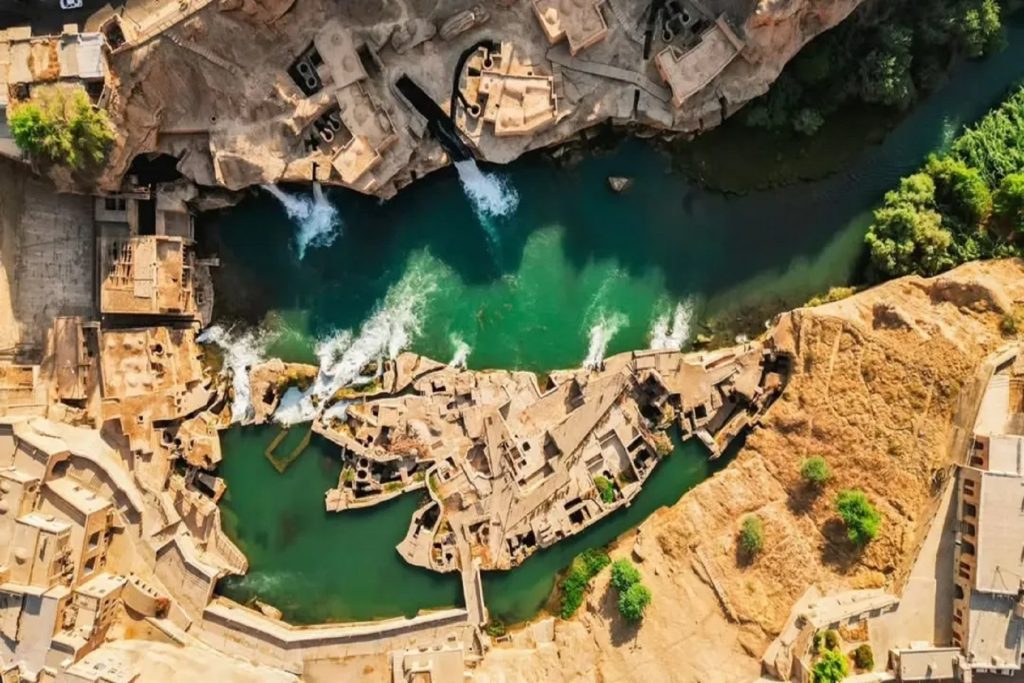
10. Shushtar Historical Hydraulic System — 2009
Shushtar is an extraordinary example of ancient engineering. Its canals, dams, bridges, tunnels, mills, and waterworks created an integrated hydraulic system that transformed the surrounding landscape. The site demonstrates the sophisticated knowledge of water management developed in ancient Iran.
2010 — Sheikh Safi al-din Shrine and Tabriz Bazaar
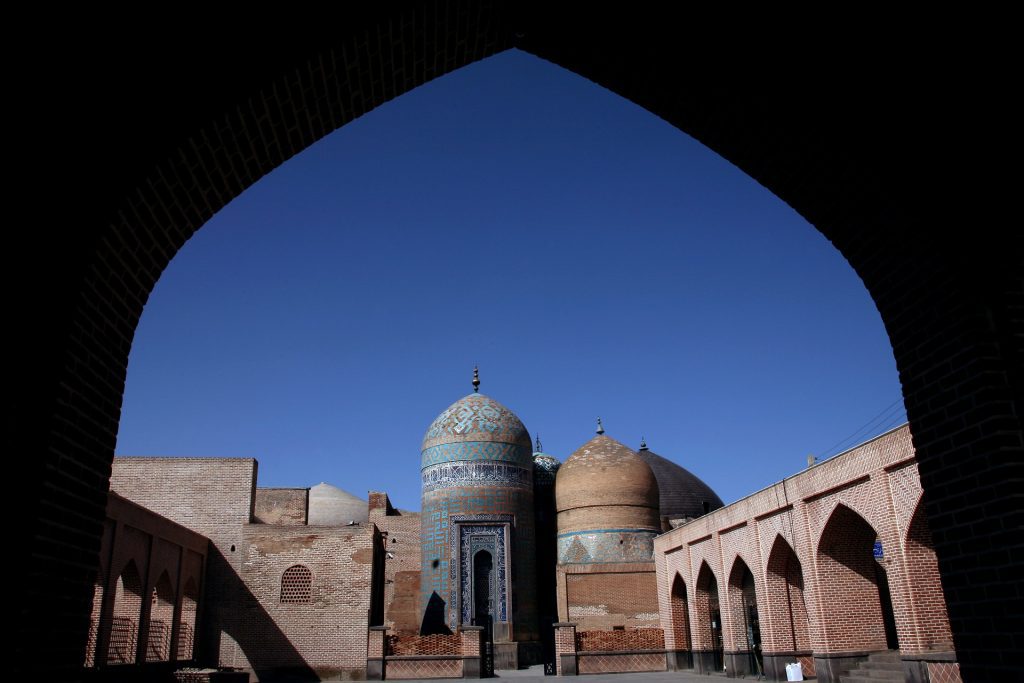
11. Sheikh Safi al-din Khānegāh and Shrine Ensemble in Ardabil — 2010
Located in Ardabil, this magnificent complex developed around the shrine of Sheikh Safi al-din, founder of the Safavid spiritual tradition. Its architecture, decoration, calligraphy, tilework, and religious spaces provide an outstanding example of Safavid artistic heritage.
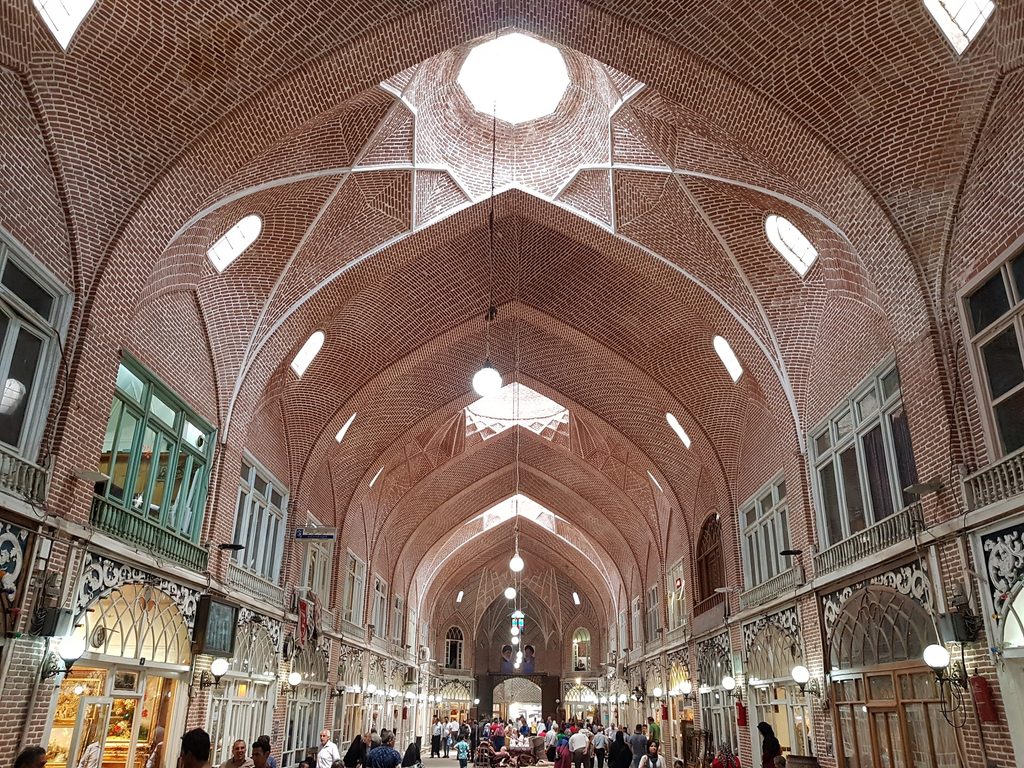
12. Tabriz Historic Bazaar Complex — 2010
For centuries, Tabriz was a major commercial center connecting Persia with the Caucasus, Anatolia, Central Asia, and beyond. Its historic bazaar is an extensive network of covered streets, caravanserais, mosques, schools, and commercial spaces. It represents the importance of Iranian cities within historic trade networks.
2011 — The Persian Garden
13. The Persian Garden — 2011
The Persian Garden is a serial World Heritage property representing a distinctive garden tradition that developed over centuries.
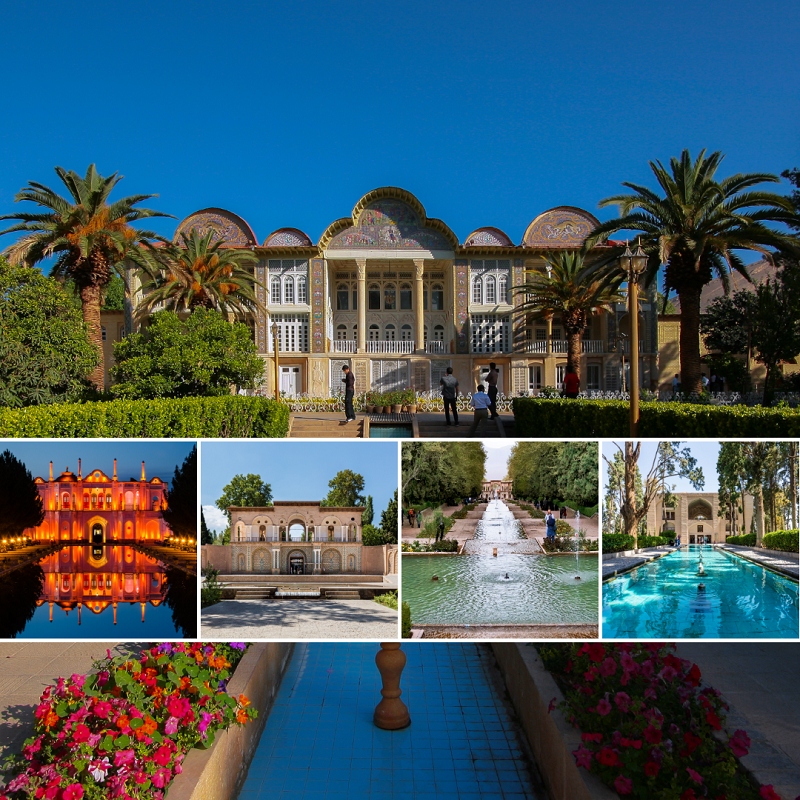
Its fundamental concepts include water, shade, geometry, vegetation, architecture, and the relationship between garden and landscape. The Persian garden concept influenced garden design far beyond Iran.
2012 — Masjed-e Jāmé of Isfahan and Gonbad-e Qābus
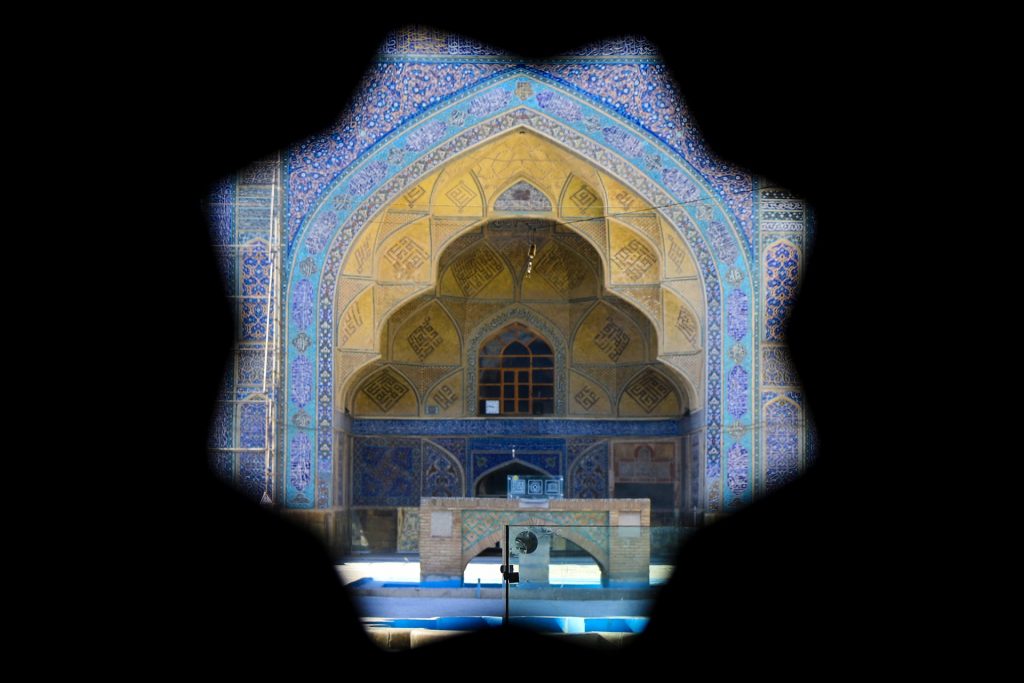
14. Masjed-e Jāmé of Isfahan — 2012
The Friday Mosque of Isfahan is essentially a living architectural history book. Its complex reflects architectural developments from the early Islamic period through later centuries.
Its famous four-iwan layout became an important model for mosque architecture across the Islamic world
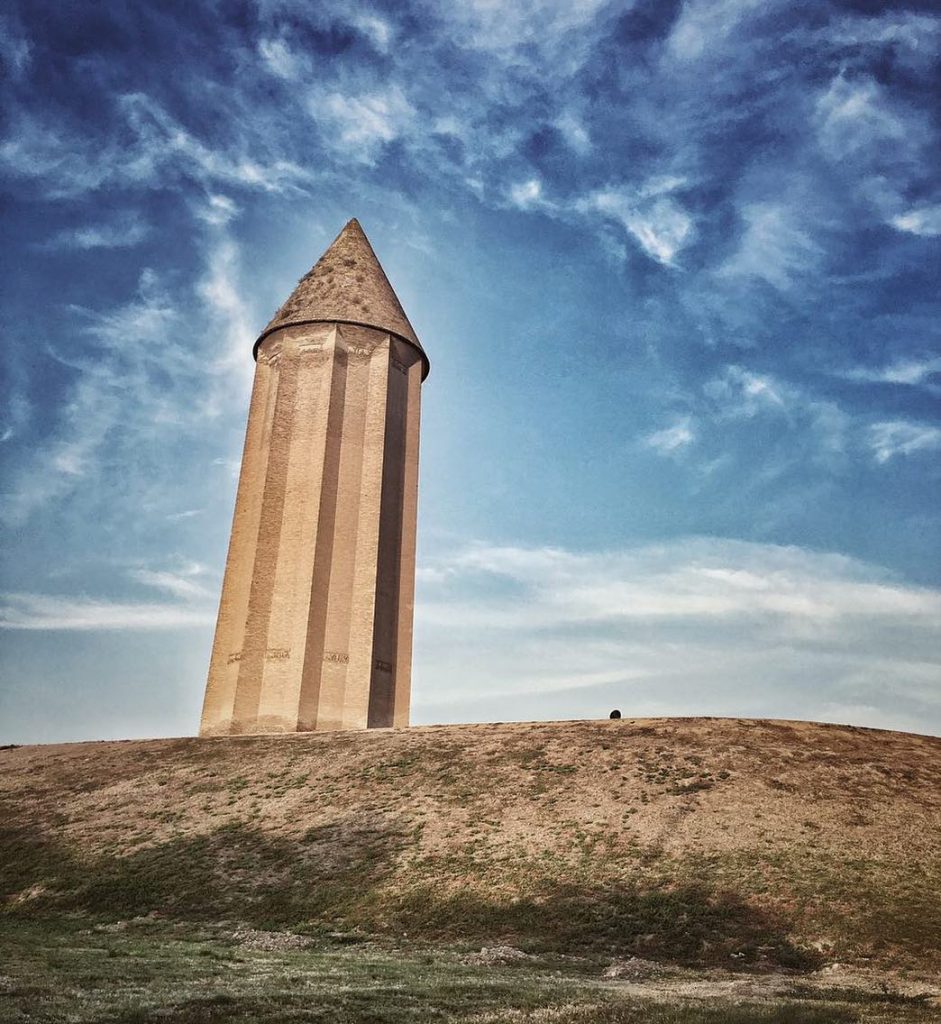
15. Gonbad-e Qābus — 2012
Standing nearly 53 metres high, Gonbad-e Qābus is one of the most remarkable brick towers of the medieval Islamic world.
Built in 1006–1007, it combines extraordinary engineering with elegant geometric design.
2013 — Golestan Palace
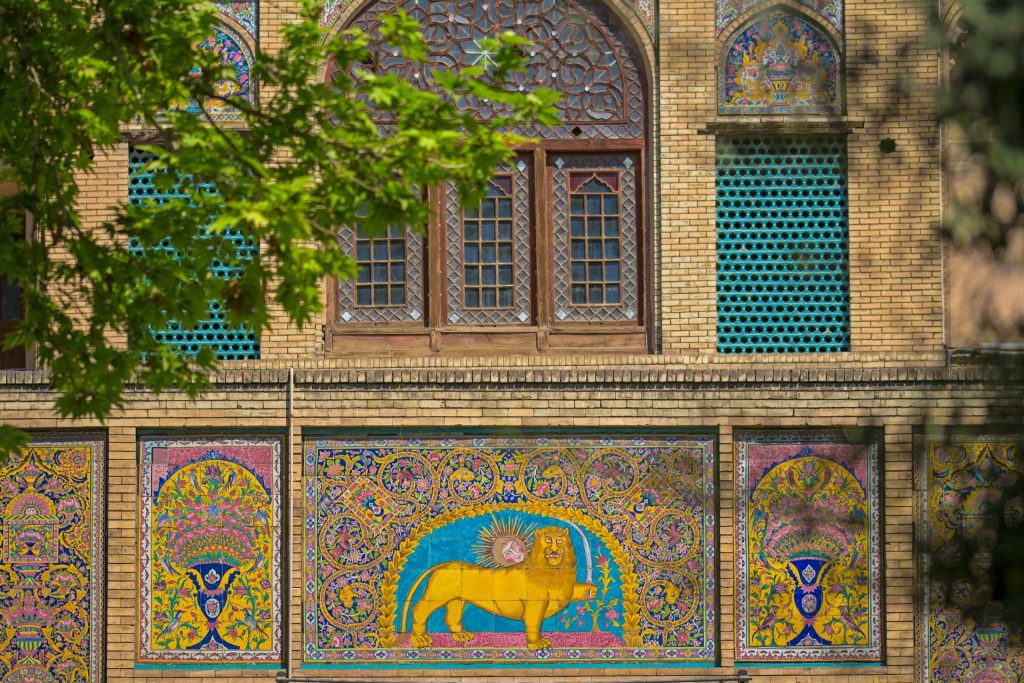
16. Golestan Palace — 2013
Located in the heart of Tehran, Golestan Palace represents the artistic and architectural heritage of the Qajar period. The palace complex combines Persian traditions with influences from Europe and other parts of the world. Its mirror work, tilework, paintings, gardens, and ceremonial buildings tell the story of a period when Iran was experiencing major political and cultural transformation.
2014 — Shahr-i Sokhta
17. Shahr-i Sokhta — 2014
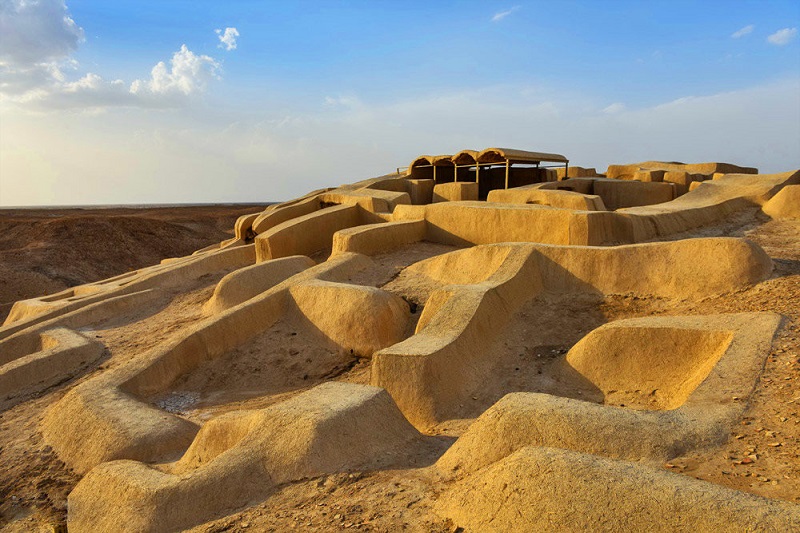
Meaning “Burnt City,” Shahr-i Sokhta lies in southeastern Iran.
The ancient settlement flourished during the third and second millennia BCE and was connected to major Bronze Age trade networks. Archaeological discoveries reveal sophisticated urban organization, craft production, trade, and social life.
2015 — Susa and Maymand
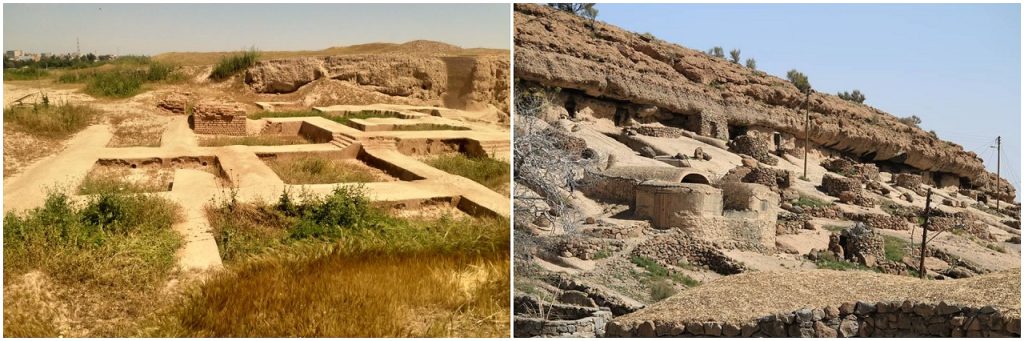
18. Susa — 2015
Susa is one of the most important archaeological sites in Iran.
Its history extends over several millennia, with evidence of successive civilizations including Elamite, Achaemenid, and later periods. Its location made it an important meeting point between Mesopotamia and the Iranian plateau.
19. Cultural Landscape of Maymand — 2015
Maymand is a remarkable traditional settlement carved into the mountains of Kerman Province.
Its rock-cut houses and surrounding landscape demonstrate a long relationship between humans, agriculture, livestock, and the environment. It offers an exceptional example of traditional rural adaptation in Iran.
2016 — The Persian Qanat
20. The Persian Qanat — 2016
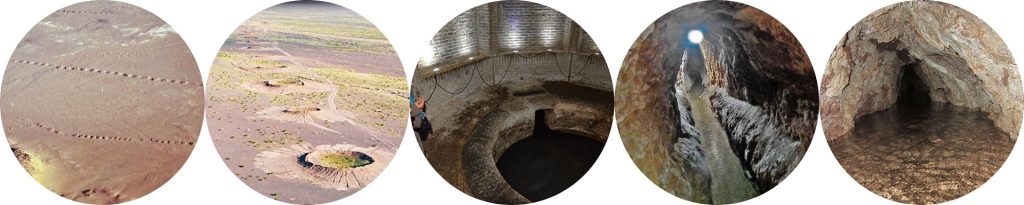
Few inventions demonstrate Iran’s adaptation to its environment better than the qanat.
These underground water channels transport groundwater from elevated areas toward settlements and agricultural lands. The Persian Qanat is a serial World Heritage property representing this ancient and ingenious technology. Qanats helped create flourishing settlements and agricultural landscapes across some of Iran’s driest regions.
2017 — Historic City of Yazd
21. Historic City of Yazd — 2017
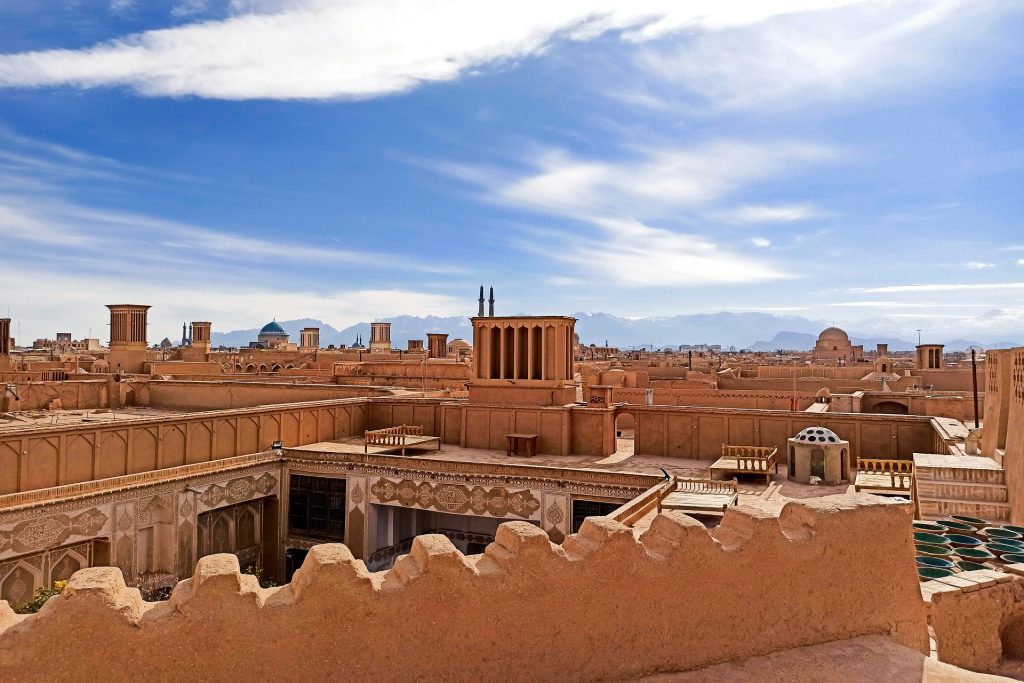
Yazd is one of Iran’s most fascinating historic cities.
Its adobe architecture, narrow lanes, windcatchers, traditional houses, bazaars, mosques, and water systems reflect centuries of adaptation to the desert environment. Yazd is also an excellent place to understand the relationship between architecture, climate, water management, and community life.
2018 — Sassanid Archaeological Landscape of Fars
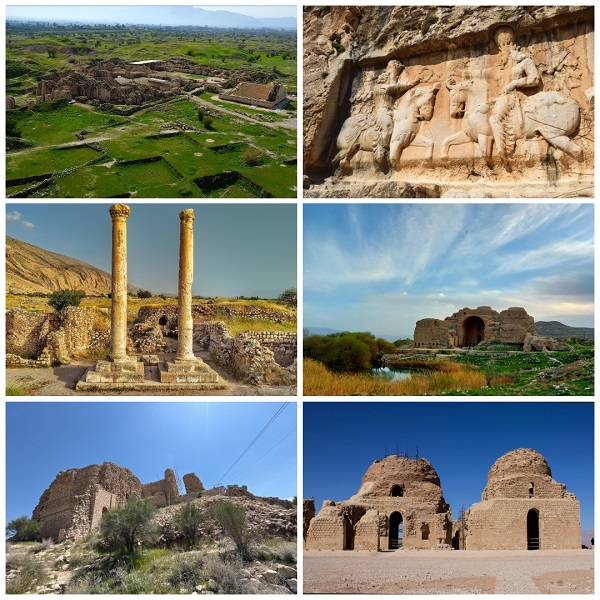
22. Sassanid Archaeological Landscape of Fars Region — 2018
This serial World Heritage property includes archaeological remains associated with the rise and development of the Sasanian Empire. Sites such as Firuzabad, Bishapur, and Sarvestan demonstrate the architectural, political, military, and cultural achievements of the Sasanian period.
For travelers interested in Persian history, this landscape provides an essential connection between the Achaemenid and Islamic eras.
2021 — Trans-Iranian Railway and Hawraman/Uramanat
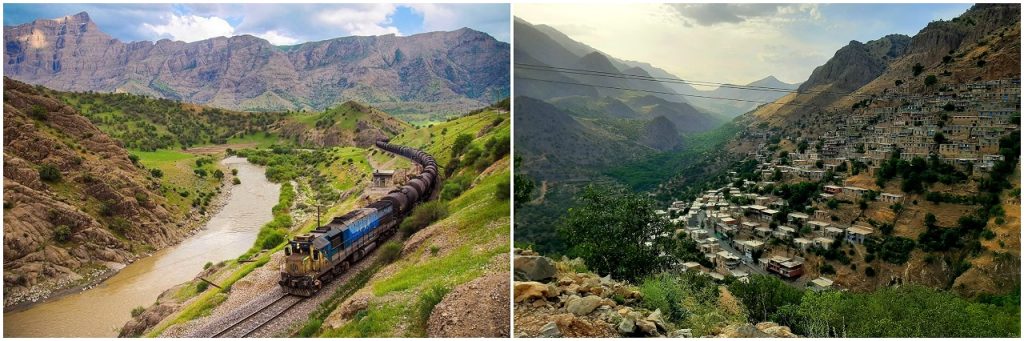
23. Trans-Iranian Railway — 2021
The Trans-Iranian Railway crosses some of Iran’s most challenging landscapes.
Its bridges, tunnels, stations, and engineering works demonstrate the enormous effort required to connect the Caspian region with the Persian Gulf. It represents an important chapter in Iran’s modern industrial and engineering history.
24. Cultural Landscape of Hawraman/Uramanat — 2021
The mountainous region of Hawraman/Uramanat in western Iran is characterized by dramatic landscapes, terraced settlements, agriculture, pastoral traditions, and distinctive cultural practices. The property demonstrates the long relationship between communities and the rugged Zagros environment.
2023 — The Persian Caravanserai
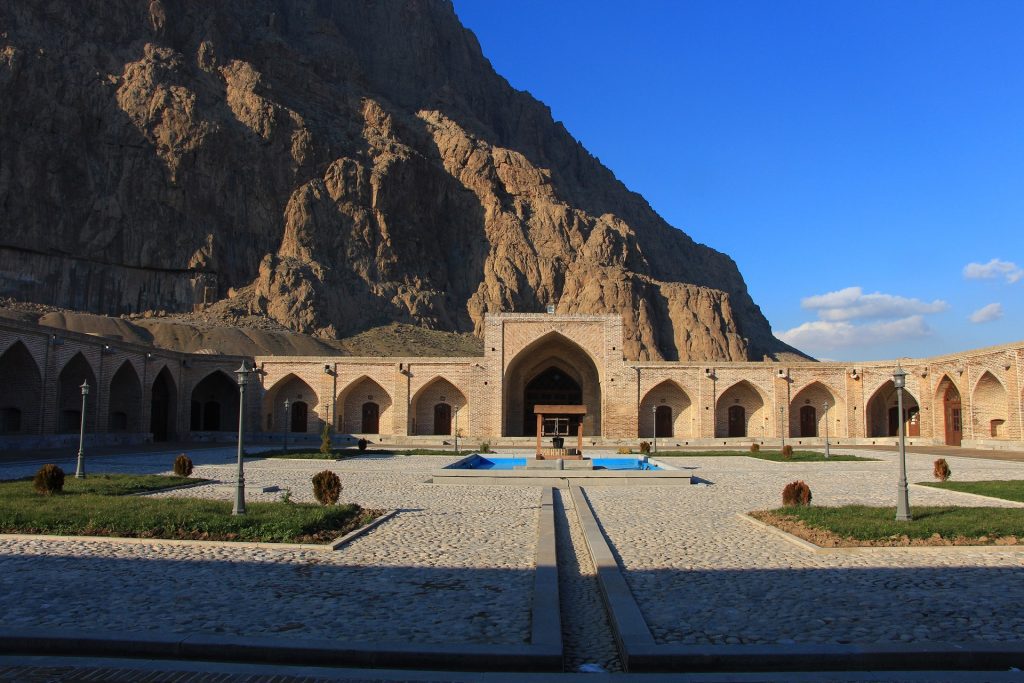
25. The Persian Caravanserai — 2023
For centuries, caravanserais provided travelers, merchants, pilgrims, and caravans with shelter along Iran’s extensive network of historic routes. The serial World Heritage property includes selected caravanserais representing the diversity and importance of these places in Persian travel and trade history. They were more than places to sleep—they were centers of commerce, communication, hospitality, and cultural exchange.
2024 — Hegmataneh
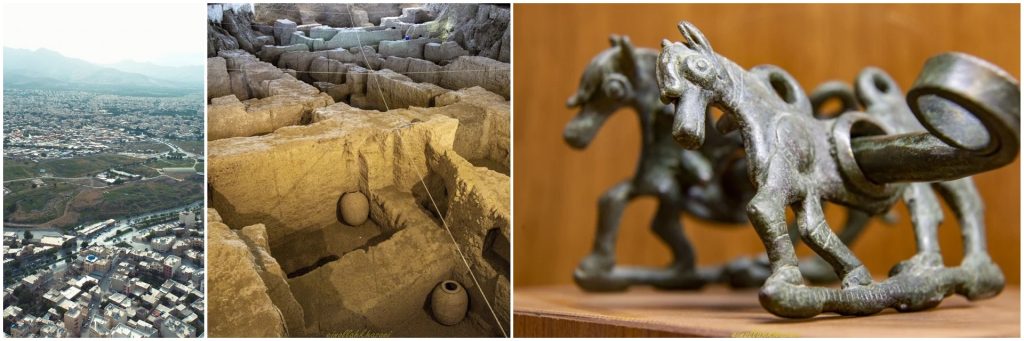
26. Hegmataneh — 2024
Located in modern-day Hamadan, Hegmataneh is associated with the ancient city of Ecbatana.
The archaeological remains reveal the importance of the city during successive historical periods, particularly its association with the Medes and later civilizations. Its inscription adds another important chapter to the UNESCO story of ancient Iran.
2025 — Prehistoric Sites of the Khorramabad Valley
27. Prehistoric Sites of the Khorramabad Valley — 2025
The Khorramabad Valley contains an exceptional concentration of prehistoric archaeological evidence. Its caves and archaeological sites provide important information about early human occupation and cultural development in the Zagros region.
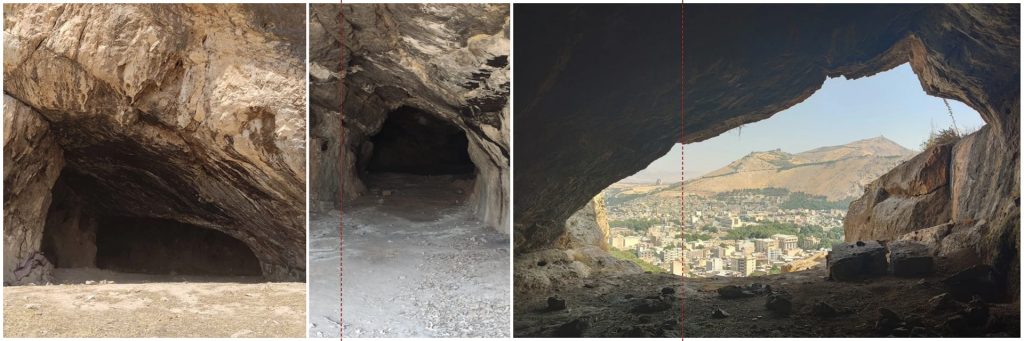
The 2025 inscription highlights the extraordinary depth of Iran’s prehistoric heritage. UNESCO recorded the inscription through the World Heritage Committee’s 2025 decisions.
2026 — Alamūt Castle and Related Fortifications
28. Alamūt Castle and Related Fortifications — 2026
Iran’s newest cultural World Heritage inscription is Alamūt Castle and Related Fortifications, added to the World Heritage List in 2026. Located in the spectacular Alamut region of Qazvin Province, the property represents a fascinating chapter in Iran’s medieval history.
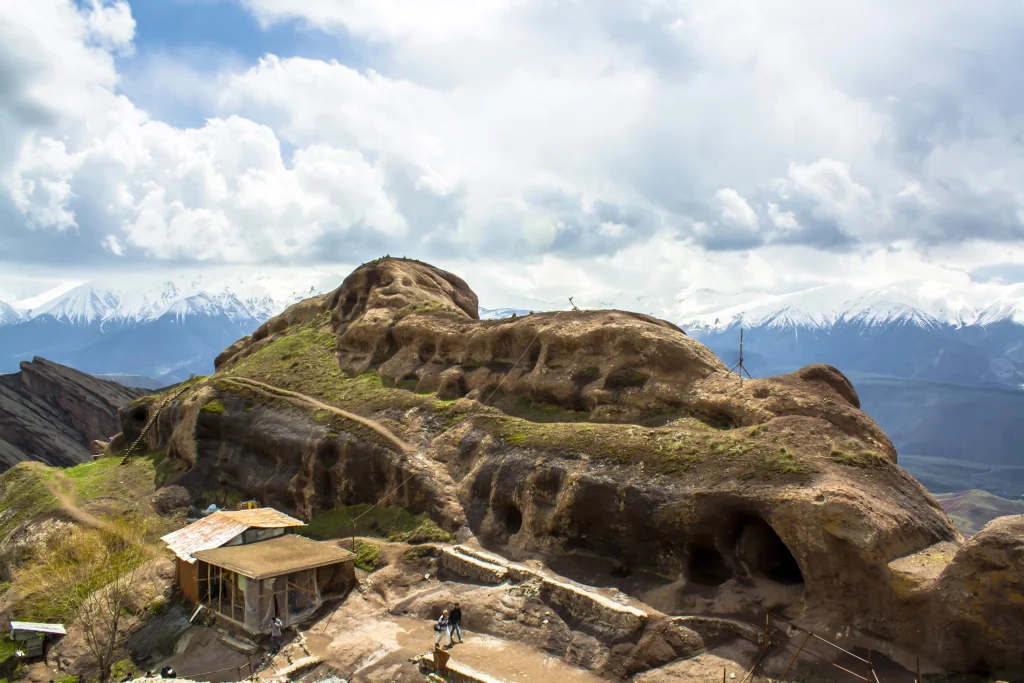
The mountain fortifications are closely associated with the Nizari Ismaili tradition and the dramatic history of the Alamut region. Its inscription adds another remarkable mountain heritage landscape to Iran’s growing UNESCO portfolio.
For PGTG, Alamūt is particularly exciting because it connects history, architecture, mountain landscapes, adventure, local communities, and storytelling in one destination.
Iran’s 28 Cultural World Heritage Properties at a Glance
| Year | World Heritage Property |
|---|---|
| 1979 | Naqsh-e-Jahan Square, Esfahan |
| 1979 | Persepolis |
| 1979 | Tchogha Zanbil |
| 2003 | Takht-e Soleyman |
| 2004 | Bam and its Cultural Landscape |
| 2004 | Pasargadae |
| 2005 | Soltaniyeh |
| 2006 | Bisotun |
| 2008 | Armenian Monastic Ensembles of Iran |
| 2009 | Shushtar Historical Hydraulic System |
| 2010 | Sheikh Safi al-din Khānegāh and Shrine Ensemble |
| 2010 | Tabriz Historic Bazaar Complex |
| 2011 | The Persian Gardens |
| 2012 | Masjed-e Jāmé of Isfahan |
| 2012 | Gonbad-e Qābus |
| 2013 | Golestan Palace |
| 2014 | Shahr-i Sokhta |
| 2015 | Susa |
| 2015 | Cultural Landscape of Maymand |
| 2016 | The Persian Qanat |
| 2017 | Historic City of Yazd |
| 2018 | Sassanid Archaeological Landscape of Fars Region |
| 2021 | Trans-Iranian Railway |
| 2021 | Cultural Landscape of Hawraman/Uramanat |
| 2023 | The Persian Caravanserai |
| 2024 | Hegmataneh |
| 2025 | Prehistoric Sites of the Khorramabad Valley |
| 2026 | Alamūt Castle and Related Fortifications |
What About Iran’s Natural World Heritage Sites?
Iran also has two natural World Heritage properties:
Hyrcanian Forests — 2019, extended 2023
The ancient Hyrcanian forests stretch along the southern coast of the Caspian Sea and contain ecosystems that are millions of years old.
Lut Desert — 2016
The Dasht-e Lut is one of Iran’s most spectacular natural landscapes, famous for its extraordinary geological formations, vast desert scenery, and extreme environment.
These two properties bring Iran’s total number of UNESCO World Heritage properties to 30.
Why UNESCO Heritage Matters for Travelers?
UNESCO recognition is not simply a list of famous monuments.
It helps travelers understand the extraordinary diversity of Iran’s heritage.
A journey through Iran can connect travelers with:
Prehistoric Iran
Khorramabad Valley • Shahr-i Sokhta • Susa
Ancient Persia
Persepolis • Pasargadae • Bisotun • Tchogha Zanbil
Sasanian Iran
Fars archaeological landscapes • Bishapur and related sites
Medieval Iran
Takht-e Soleyman • Soltaniyeh • Gonbad-e Qābus • Alamut
Safavid Iran
Isfahan • Sheikh Safi Shrine • Persian Garden tradition
Modern Iran
Golestan Palace • Trans-Iranian Railway
Living Cultural Landscapes
Yazd • Maymand • Hawraman/Uramanat • Persian Qanats • Caravanserais
This diversity makes Iran one of the world’s most compelling destinations for cultural and heritage tourism.
Discover Iran’s World Heritage with PGTG
At Persian Gryphon Travel Group (PGTG), we believe that visiting a World Heritage Site should be more than taking a photograph. It should be an opportunity to understand the people, history, landscape, architecture, traditions, and stories behind the site.
Our cultural and historical journeys can combine UNESCO World Heritage Sites with:
- Local communities
- Traditional houses and boutique hotels
- Persian cuisine
- Local guides
- Handicrafts
- Rural experiences
- Sustainable tourism
- Adventure experiences
- Seasonal festivals
- Tailor-made itineraries
From Persepolis to Alamūt, from the deserts of Yazd to the mountains of Hawraman, Iran offers thousands of years of stories waiting to be discovered.
Travel Through Time. Discover Iran.
Iran’s World Heritage story began in 1979.
More than four decades later, the story continues with new chapters being recognized by UNESCO.
The inscription of Alamūt Castle and Related Fortifications in 2026 reminds us that Iran’s heritage is not confined to the distant past. It remains a living, evolving story.
Travel with Persian Gryphon Travel Group.
Together, we learn, we experience, and we give meaning to travel.
Leave a Reply