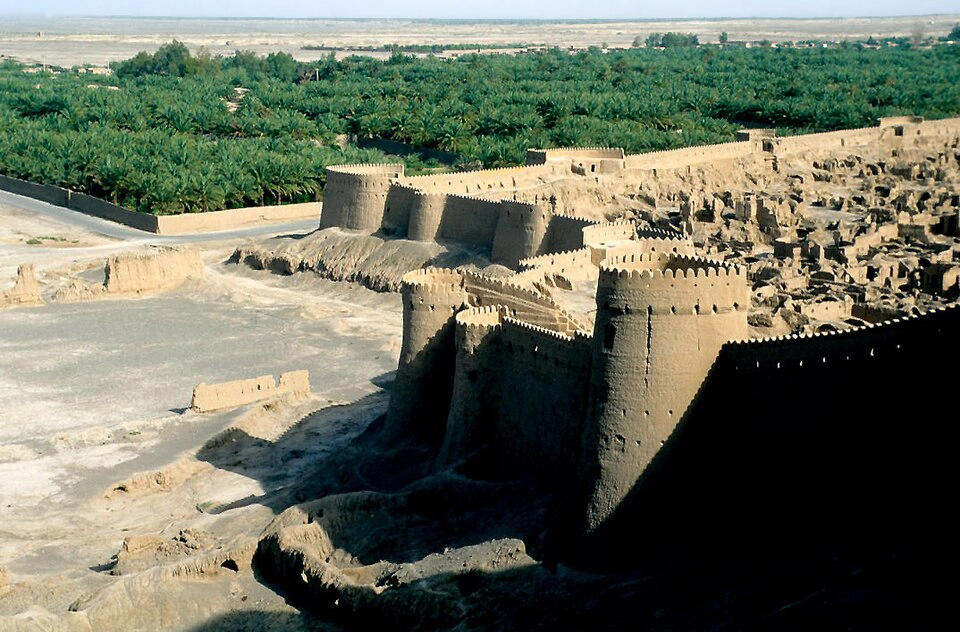
Bam and its Cultural Landscape: The Desert Citadel of Iran
Discover Bam and its Cultural Landscape, where an ancient mud-brick citadel, underground qanats, palm groves, and Silk Road history come together in southeastern Iran.
In the middle of a vast desert landscape, an extraordinary city once flourished through a remarkable understanding of water, architecture, agriculture, and trade.
This is Bam.
Located in Kerman Province in southeastern Iran, Bam developed as an oasis settlement on the southern edge of the Iranian high plateau. Its history reaches back to the Achaemenid period, while its greatest prosperity came between the 7th and 11th centuries, when it stood at the crossroads of important trade routes.
At the heart of this landscape stands Arg-e Bam, one of the world’s most remarkable examples of a fortified medieval settlement constructed largely with earth.
But Bam is much more than a citadel. Its UNESCO designation recognizes an entire cultural landscape shaped by the interaction between people and a challenging desert environment.
The oasis, qanats, agricultural lands, historic settlements, forts, and citadel together tell a story of human adaptation that has continued for centuries.
Bam was inscribed on the UNESCO World Heritage List in 2004 under criteria (ii), (iii), (iv), and (v).
Where Is Bam?
Bam is located in Kerman Province, in southeastern Iran, close to the eastern edge of the Iranian plateau and not far from the vast Lut Desert.
The historic landscape lies at an elevation of approximately 1,060 metres above sea level, within a valley surrounded by mountains. The Kafut Mountains lie to the north, while the Jebal-e Barez Mountains rise to the south.
This geographical setting is essential to understanding Bam.
The region is surrounded by an arid environment, yet Bam developed into a productive oasis.
The key was water.
For centuries, underground irrigation channels known as qanats brought water from underground sources and mountain areas toward settlements and agricultural land.
These systems made life in the oasis possible.
Arg-e Bam: The Heart of the Ancient City
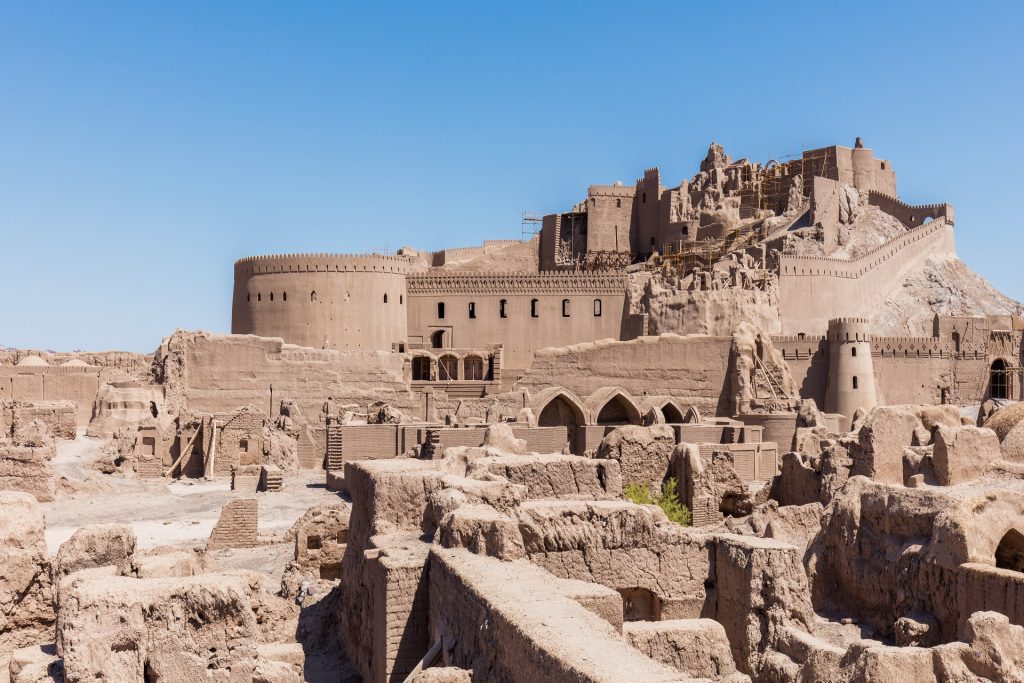
The most famous monument in Bam is Arg-e Bam, also known as the Bam Citadel.
Rising above the surrounding landscape, the citadel represents the central focus of the historic settlement.
Its architecture demonstrates how local builders used earth as a highly effective construction material.
The complex was constructed using techniques including chineh, layers of compacted earth, together with sun-dried mud bricks known as khesht. Vaulted and domed structures were also incorporated into the architectural system.
The result was an impressive fortified city whose walls, towers, gateways, residential areas, and public structures were integrated into a single architectural landscape.
UNESCO describes Arg-e Bam as the most representative example of a fortified medieval town built using this local earthen construction tradition.
A City Built from Earth
At first glance, building a large city from mud and earth may seem surprising.
Yet earthen architecture has deep roots across Iran’s dry regions.
Local materials were readily available, while thick earthen walls could provide protection from the harsh desert climate.
The architecture of Bam demonstrates the sophistication that could be achieved through these techniques.
Walls, towers, courtyards, vaulted rooms, domes, passageways, and defensive structures were combined to create a complex urban environment.
The architectural language was shaped by both practical needs and local traditions.
Bam therefore offers an important lesson in climate-responsive architecture.
Long before modern discussions about sustainable construction, local communities were using materials and techniques adapted to their environment.
The Qanat: Water Beneath the Desert
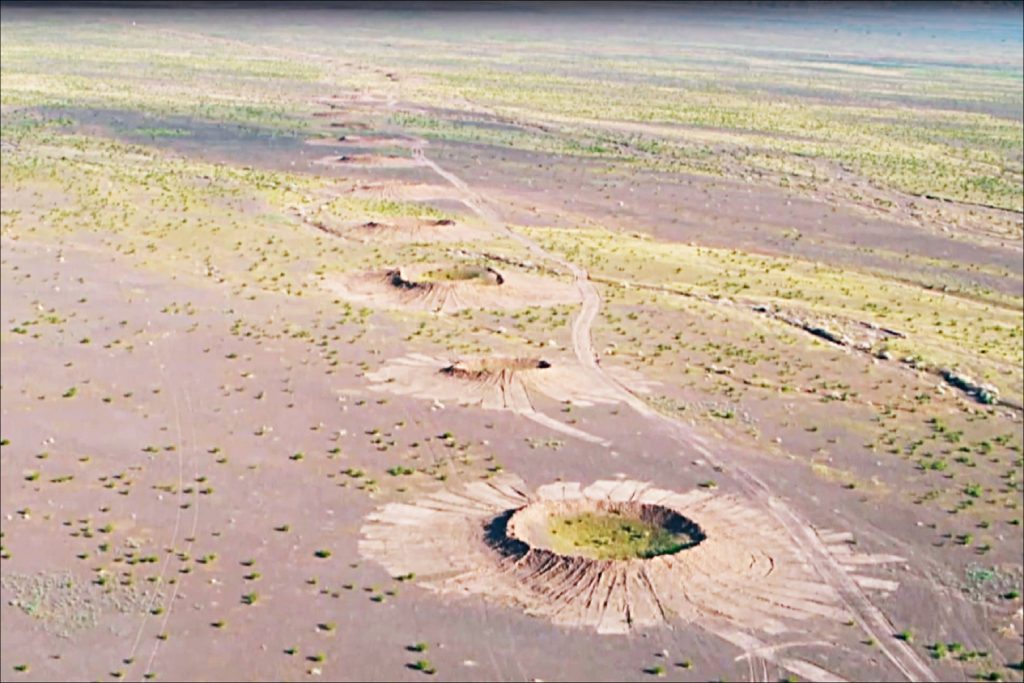
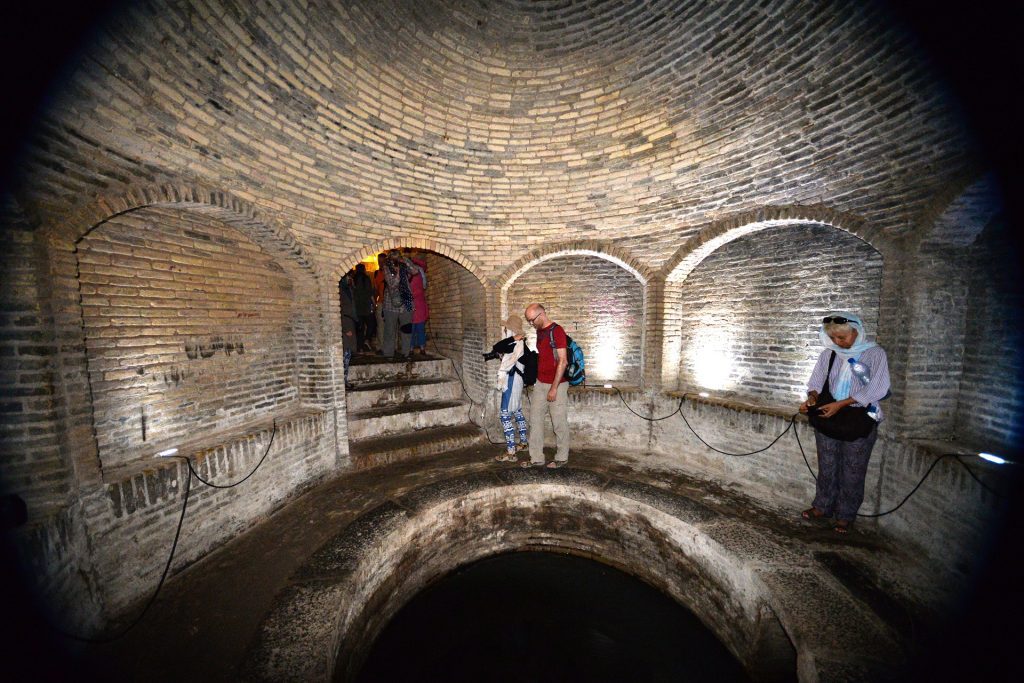
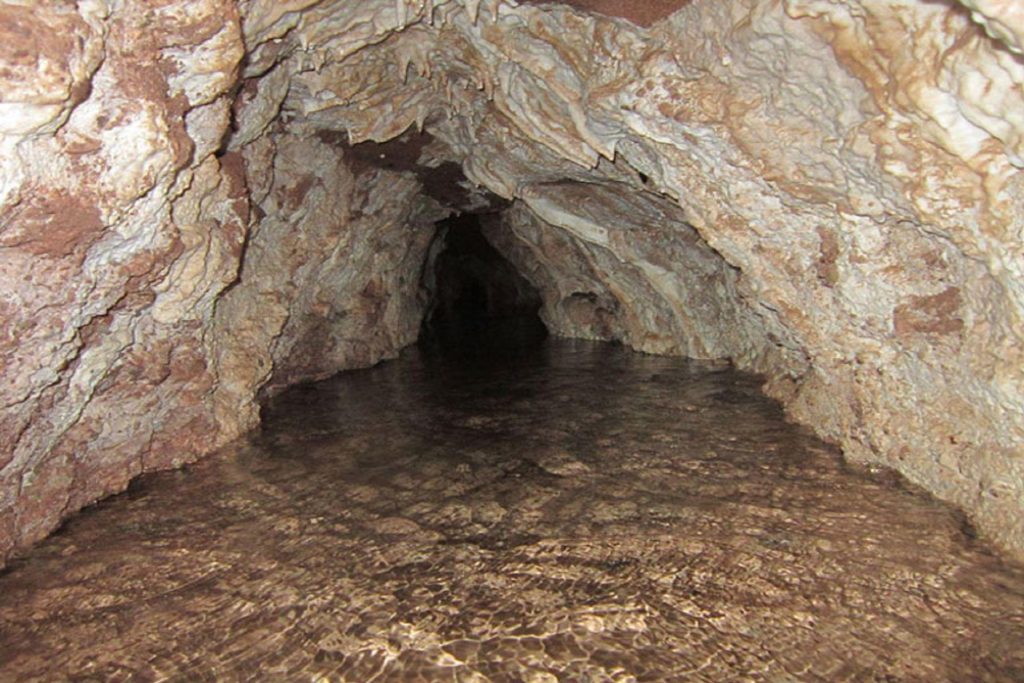
Perhaps the most fascinating element of Bam’s cultural landscape lies underground.
The qanat is an ancient system of underground water channels designed to transport groundwater over considerable distances using a carefully engineered gradient.
Bam preserves some of the earliest evidence of qanat systems in Iran.
UNESCO identifies these irrigation systems as fundamental to the existence of the oasis and as an exceptional example of the long-term interaction between people and their environment.
The qanats supported:
- Agriculture
- Palm groves
- Residential settlements
- Animal husbandry
- Urban life
- Trade
- Long-term settlement in an arid environment
The system also required social organization.
Maintaining qanats involved specialized knowledge, labor, responsibilities, and community cooperation.
This means that Bam’s water system was not simply an engineering achievement.
It was also part of the social and cultural structure of the community.
Bam and the Silk Roads
Bam’s location helped transform it into an important commercial center.
The city developed at the crossroads of major trade routes connecting different regions of Asia and beyond.
UNESCO describes Bam as an exceptional example of the development of a trading settlement in a desert environment and emphasizes its location along historic Silk Road networks.
Goods, ideas, technologies, artistic traditions, and cultural influences passed through the region.
Bam became particularly known for producing silk and cotton garments.
Its strategic location connected the city with routes toward Central Asia, the Persian Gulf, and western regions.
The result was a city shaped not only by its environment but also by its position within a much wider network of exchange.
Bam’s Golden Age
Although the origins of Bam reach back to the Achaemenid period, UNESCO identifies the 7th to 11th centuries as the period when the city reached its greatest prosperity.
During this period, Bam developed as an important fortified settlement and trading center.
The citadel became the focal point of a much wider cultural landscape containing agricultural areas, irrigation systems, settlements, and defensive structures.
Its prosperity depended on the combination of several factors:
Water + Agriculture + Trade + Architecture + Strategic Location
This combination allowed an oasis settlement to flourish in one of Iran’s challenging desert environments.
More Than a Citadel: Bam’s Cultural Landscape
The UNESCO property is called “Bam and its Cultural Landscape” for an important reason.
The World Heritage site extends beyond Arg-e Bam.
It includes a broader landscape containing historic structures, irrigation systems, agricultural areas, palm groves, forts, settlements, and evidence of the long relationship between people and the environment.
Important associated elements include:
Qal’eh Dokhtar
Known as the Maiden’s Fortress, Qal’eh Dokhtar is a historic fortified structure associated with the wider Bam landscape.
Emamzadeh Zeyd
This mausoleum dates from the medieval period and forms part of the historic cultural environment around Bam.
Emamzadeh Asiri
Another historic religious structure within the wider cultural landscape.
Historic Qanat Systems
The qanats remain among the most important elements demonstrating how communities transformed an arid environment into a productive oasis.
Together, these features show why Bam cannot be understood simply as a fortress.
It is a living cultural landscape.
The 2003 Bam Earthquake
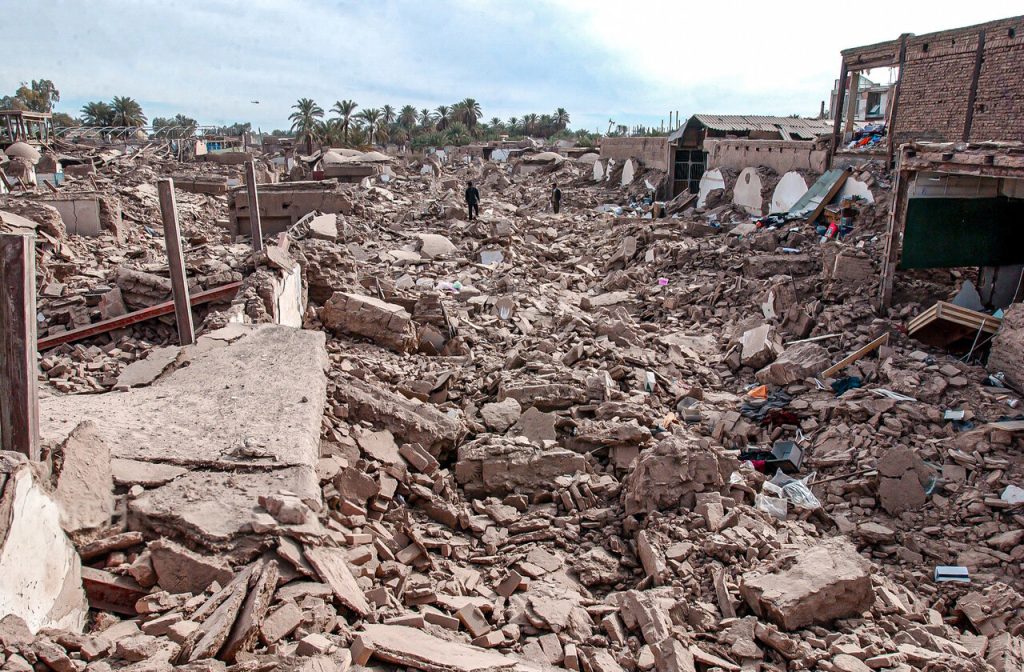
Bam’s history includes one of the most significant challenges faced by a modern Iranian heritage site.
On 26 December 2003, a devastating earthquake struck the region.
The earthquake caused extensive destruction across Bam and severely damaged Arg-e Bam and parts of the historic qanat system. UNESCO subsequently placed the World Heritage property on the List of World Heritage in Danger in 2004.
The disaster brought international attention to Bam’s extraordinary heritage.
Conservation specialists, Iranian authorities, UNESCO, and international partners became involved in the long process of documenting, stabilizing, conserving, and restoring the historic structures.
UNESCO later removed Bam from the List of World Heritage in Danger in 2013, following improvements in conservation and management.
The earthquake therefore became an important chapter in the modern history of Bam—not only as a story of destruction, but also as a story of conservation and recovery.
Conservation and Traditional Knowledge
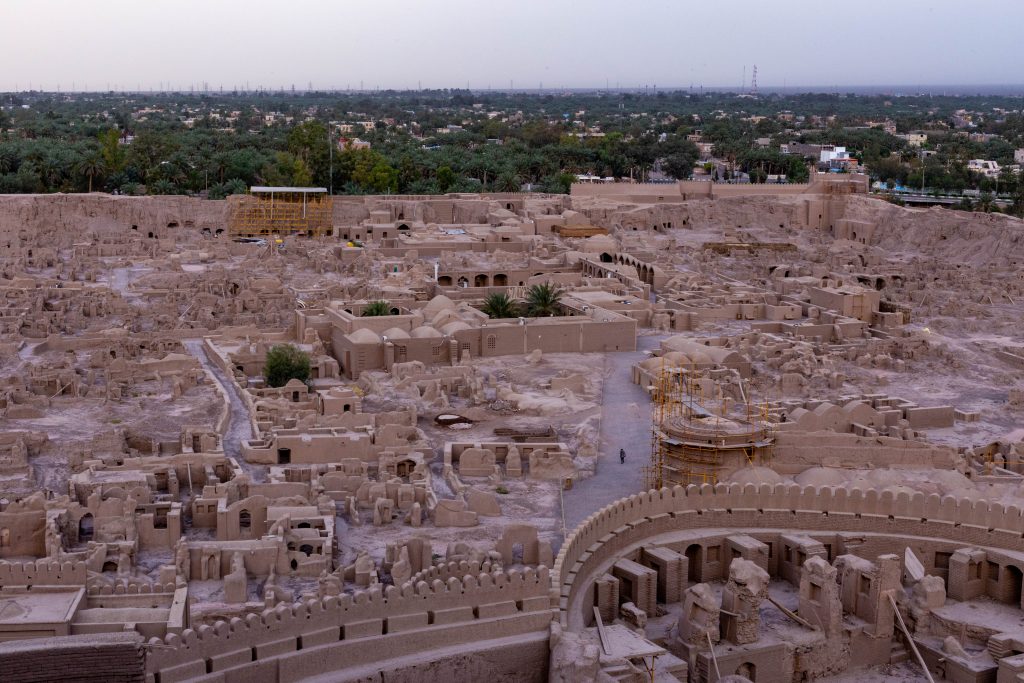
The restoration of Bam has highlighted the importance of understanding traditional construction techniques.
The historic structures were built primarily from earth, mud brick, and other traditional materials.
Conservation therefore requires knowledge of the original building methods and materials.
UNESCO emphasizes the importance of maintaining authenticity through appropriate conservation principles and continued knowledge of traditional earthen architecture.
This makes Bam particularly valuable for researchers and travelers interested in:
- Traditional architecture
- Earthen construction
- Desert settlements
- Heritage conservation
- Climate-responsive design
- Ancient water management
- Cultural landscapes
Bam and Sustainable Living in the Desert
Bam offers an extraordinary example of how human communities can adapt to environmental conditions.
The historic city developed through a combination of:
Underground water management → agriculture → gardens and palm groves → settlement → trade
The qanat system made agriculture possible.
Agriculture supported the population.
The settlement became a trading center.
Trade connected Bam with wider regions.
This interconnected system demonstrates an important principle of sustainable tourism and heritage interpretation: cultural heritage is often inseparable from the natural environment that shaped it.
At Bam, the desert is not simply the background.
It is part of the story.
The Palm Groves of Bam
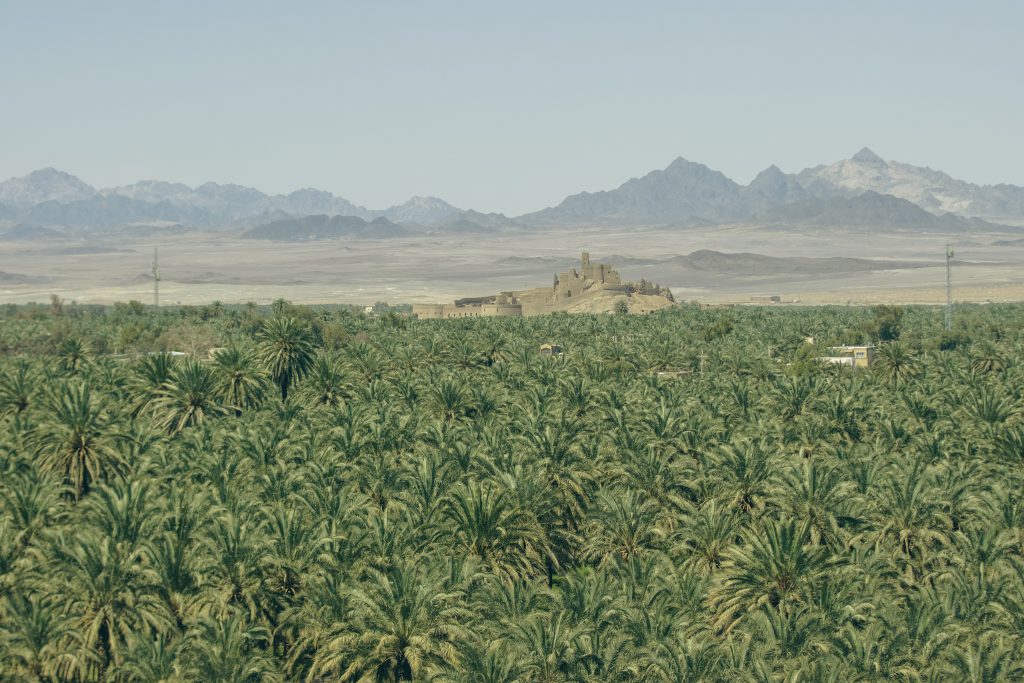
The oasis landscape around Bam is also known for its agricultural areas and palm groves.
In a dry environment, these cultivated landscapes demonstrate the importance of carefully managed water resources.
The combination of qanats, agriculture, gardens, and palm cultivation transformed an arid environment into a productive oasis.
For travelers, this contrast can be one of the most memorable aspects of visiting Bam.
A monumental mud-brick citadel rises from a landscape where green agricultural areas exist because of centuries-old water-management systems.
Why Is Bam a UNESCO World Heritage Site?
Bam was inscribed on the UNESCO World Heritage List in 2004 under four cultural criteria: (ii), (iii), (iv), and (v).
Criterion (ii)
Bam developed at the crossroads of important trade routes and became an outstanding example of interaction between different cultural influences.
Criterion (iii)
The property provides exceptional testimony to the development of a trading settlement in a desert environment.
Criterion (iv)
Bam represents an outstanding example of a fortified settlement and citadel using traditional earthen construction techniques.
Criterion (v)
The cultural landscape demonstrates the interaction between people and nature in a desert environment, particularly through the use of qanats.
These criteria explain why UNESCO protects not just the citadel, but the wider cultural landscape.
What Can Travelers Experience in Bam?
A visit to Bam can offer much more than sightseeing.
Travelers can explore:
🏰 Arg-e Bam — the monumental fortified citadel
💧 Historic qanat systems — evidence of ancient underground water management
🌴 Palm groves and oasis landscapes — agriculture sustained by carefully managed water
🏛️ Historic mausoleums and structures — elements of the wider cultural landscape
⛰️ Mountain scenery — the natural setting surrounding the Bam oasis
🧱 Traditional earthen architecture — mud-brick and compacted-earth construction techniques
📜 Silk Road history — Bam’s role in historic trade networks
Together, these experiences reveal how architecture, nature, technology, and commerce shaped the city.
Bam and the Lut Desert
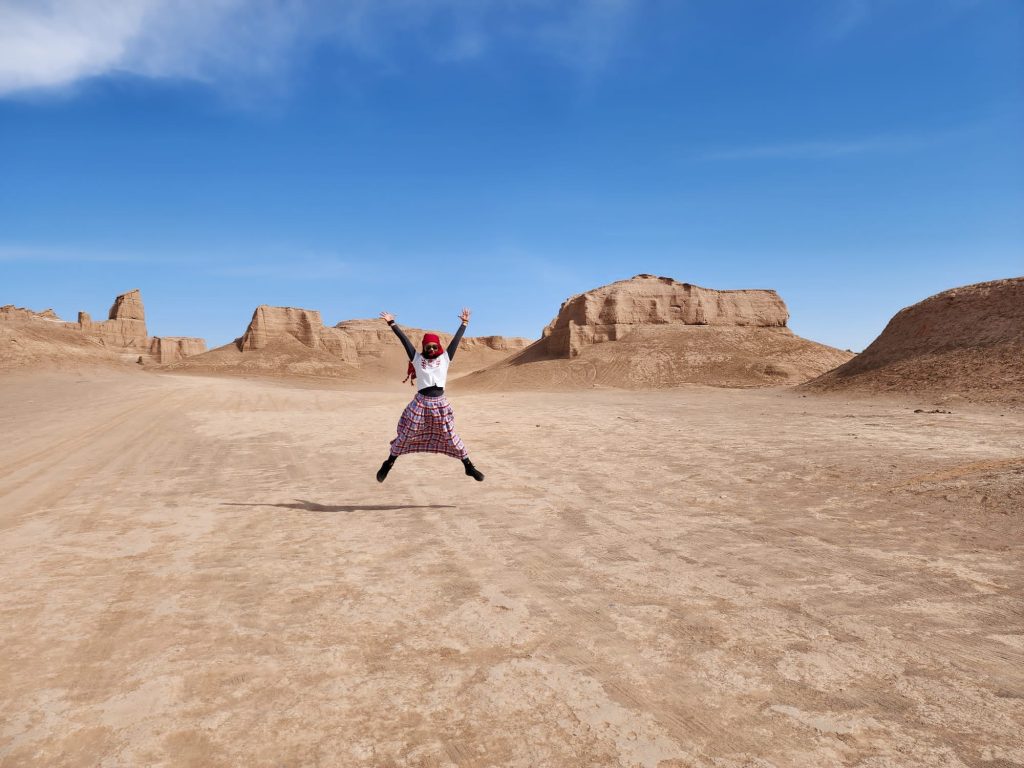
Bam can also be combined with journeys through the landscapes of southeastern Iran.
The wider region provides access to extraordinary desert environments, including the Lut Desert, another UNESCO World Heritage property.
The contrast is fascinating.
Bam represents an oasis created through sophisticated water management, while the Lut landscape demonstrates the extraordinary geological and climatic character of one of the world’s most remarkable deserts.
A journey connecting Bam with Kerman and the Lut region can therefore combine:
Heritage + Desert + Architecture + Water + Local Culture
Responsible Travel in Bam
Bam is an exceptionally fragile heritage environment.
Responsible tourism is essential for protecting its earthen architecture and cultural landscape.
When visiting:
- Follow designated visitor routes.
- Do not climb fragile structures.
- Do not touch or damage historic surfaces.
- Never remove bricks, stones, pottery, or other materials.
- Respect conservation areas.
- Avoid littering.
- Follow local regulations and guide instructions.
- Support local guides and community-based tourism services.
- Learn about the site’s conservation history before visiting.
Most importantly, remember that Bam is not simply an archaeological attraction.
It is a cultural landscape connected to local communities, agriculture, water systems, and living traditions.
Best Time to Visit Bam
Because Bam is located in southeastern Iran’s desert environment, temperatures can vary significantly throughout the year.
Autumn, winter, and spring can be particularly comfortable for travelers who want to explore the archaeological site and surrounding landscapes.
Summer can be very hot, so travelers planning visits during the warmer months should consider the timing of outdoor activities carefully.
For a more complete experience, Bam can be incorporated into a broader southeastern Iran itinerary connecting Kerman, Bam, the Lut Desert, Shahdad, and other desert destinations.
Bam with PGTG
At Persian Gryphon Travel Group (PGTG), we believe that sustainable tourism begins with understanding the relationship between people, culture, and place.
Bam is an ideal destination for this approach.
Here, travelers can learn how generations of people adapted to a desert environment through architecture, agriculture, water management, and trade.
A PGTG journey to Bam can combine:
- UNESCO World Heritage exploration
- Ancient Persian history
- Earthen architecture
- Qanat and water heritage
- Desert landscapes
- Silk Road history
- Local culture
- Sustainable tourism
- Kerman
- Lut Desert
- Shahdad
- Responsible travel experiences
Rather than simply visiting the citadel, travelers can explore the story of the entire landscape.
Together, we learn, experience, and give meaning to travel.
Leave a Reply